
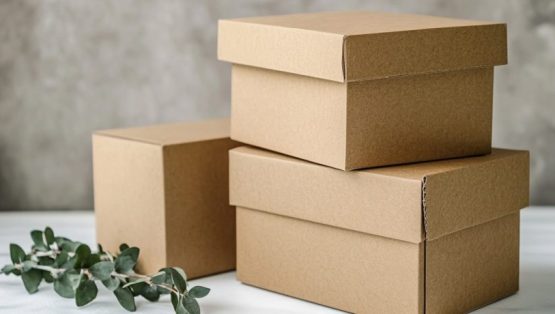
How to Choose the Right Wholesale Packaging Boxes for Your Product Type
Most packaging problems don’t begin with printing mistakes or damaged freight. They start much earlier. Usually at the selection stage. A business chooses a box that looks right, feels sturdy enough during sampling, and fits the product dimensions properly. On the surface, everything seems fine. Then the real-world pressure starts. Warehousing. Retail handling. E-commerce shipping.
- Published in Blogs

How to Evaluate Packaging Companies in Australia Before Signing a Supplier Contract
Most businesses don’t think too deeply about packaging suppliers at the start. The focus usually sits elsewhere. Product development. Retail outreach. Production timelines. Packaging gets pushed into the ‘sort out later’ category until suddenly it becomes urgent. That’s normally when rushed decisions happen. A few suppliers send samples. One responds faster than the others. Another
- Published in Blogs
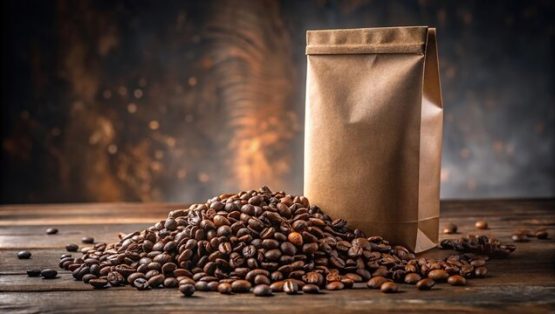
From Coffee Bags to Stand-Up Pouches: How Packaging Companies in Australia Cater to Niche Industries
Packaging used to be treated as a finishing step. Something added right before products left the warehouse. That approach doesn’t hold up very well anymore, especially in specialised industries where packaging directly affects shelf life, freight performance, retail presentation, and customer perception all at once. Across food, coffee, nutraceuticals, pet products, and e-commerce, businesses now
- Published in Blogs
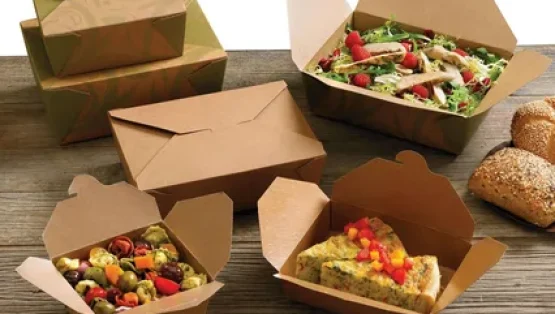
Wholesale Packaging Distributors for Food Packaging: Boxes, Pouches & Supplies
Food packaging looks simple from the outside. A pouch holds the product. A box protects it. Labels carry branding. Done. In reality, food packaging sits right in the middle of production, logistics, shelf life, compliance, and customer perception. When packaging works properly, nobody notices. When it fails, the consequences spread fast across manufacturing, freight, retail,
- Published in Blogs
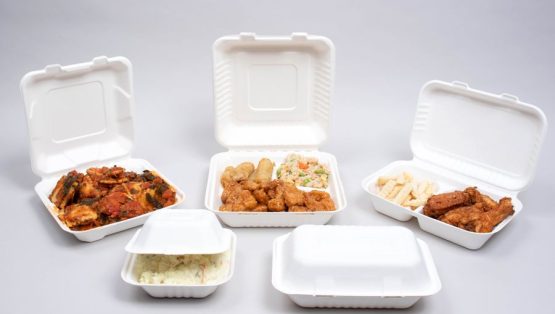
Wholesale Packaging Distributors in Australia: Complete Guide for Food & Retail Businesses
Packaging becomes a much bigger issue once a business starts growing beyond small production runs. At the beginning, most companies focus on getting products into the market quickly. Packaging decisions are often based on convenience, minimum order quantities, or whoever replies to enquiries fastest. That works for a while. Then production scales. Retailers expect consistency.
- Published in Blogs
Why Wholesale Packaging Distributors Are Essential for Growing Businesses
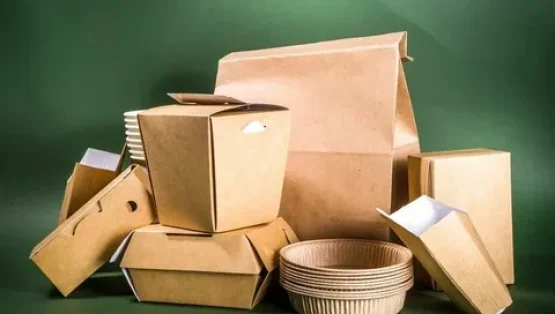
Growth sounds exciting when people talk about it from the outside. More orders. More retailers. Bigger production runs. New locations. Then operations start stretching in ways most businesses don’t expect. Packaging shortages begin appearing at the worst possible time. Lead times suddenly matter. Storage space becomes a problem. Product launches get delayed because packaging arrives
- Published in Blogs
Are All Packaging Companies the Same? Here’s What Actually Sets Them Apart
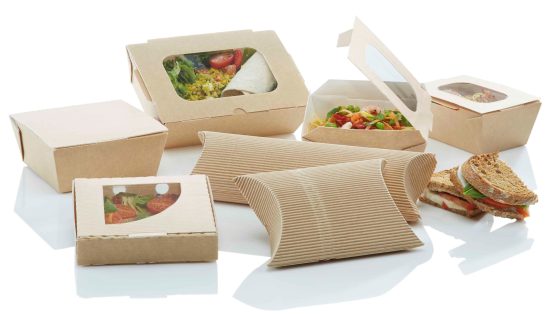
When businesses start looking for a packaging supplier, the first assumption is usually the same one. A bag is a bag. A pouch is a pouch. One supplier probably isn’t that different from the next. Then production problems begin. Delays. Weak seals. Colours that look different from the approved proof. Packaging that wrinkles on shelves
- Published in Blogs
Why Choosing the Wrong Packaging Companies Can Cost Your Business
At first glance, packaging decisions don’t seem high-risk. You source a supplier, approve samples, place an order, and move on. But that’s not how it plays out over time. But in reality, packaging affects far more than most businesses realise. It protects the product, supports shelf life, represents the brand, and shapes the customer experience.
- Published in Blogs
Wholesale Packaging Supplies vs Retail: How Much Can You Really Save
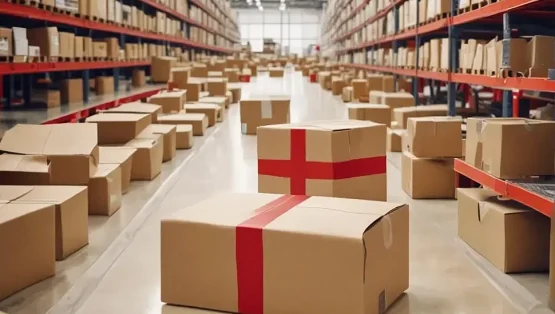
The assumption most businesses start with At some point, every business that depends on packaging faces the same decision: continue buying smaller quantities at retail prices or switch to wholesale packaging supplies and buy in bulk. At first, the choice seems simple. Wholesale packaging appears cheaper, while retail packaging costs more. That is the common
- Published in Blogs
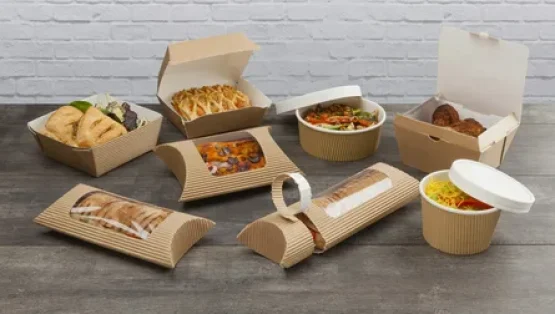
What Food Packaging Supplies Do You Actually Need? (Avoid Overpaying in 2026)
If you speak to most food brands, especially the ones growing quickly, you’ll notice the same pattern again and again. They are either buying too much packaging or using packaging that is not right for their product. Both mistakes cost money, just in different ways. Overbuying packaging ties up capital and increases storage costs. Using
- Published in Blogs
