
How Packaging Waste Laws in Australia Are Shaping the Future of Food Packaging
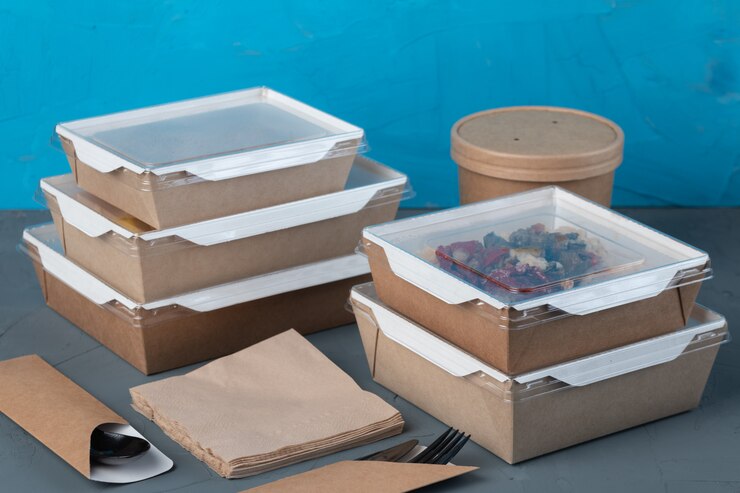
As sustainability gains focus worldwide, Australia is reducing packaging waste with new regulations. These laws prompt businesses to adopt eco-friendly packaging solutions. Companies providing custom packaging in Australia are offering sustainable alternatives, while the food industry leads the way in meeting these regulations.
Overview of Australia’s Packaging Waste Laws
Australia has implemented several policies aimed at reducing plastic waste and promoting sustainable packaging solutions. These initiatives align with the 2025 National Packaging Targets, which focus on four key objectives:
• 70% of plastic packaging being recycled or composted
• Eliminating problematic single-use plastics
• 50% average recycled content in packaging
These targets, led by the Australian Packaging Covenant Organisation (APCO), are driving industries—particularly food businesses—to explore environmentally friendly alternatives. As a result, companies specialising in food packaging supplies in Australia are investing in biodegradable, compostable, and recyclable materials.
To support these efforts, the Australian Government’s National Waste Policy outlines a national framework for managing waste responsibly, encouraging businesses to adopt sustainable packaging solutions.
Key Regulations Impacting Food Packaging
Several laws and policies support sustainable packaging practices, including:
- Single-Use Plastics Ban: Many Australian states have banned single-use plastic bags, straws, and cutlery to reduce plastic pollution and promote alternatives like paper and bioplastics.
- Extended Producer Responsibility (EPR) Programs: Businesses are held accountable for the end-of-life management of their packaging, ensuring materials are recyclable or compostable. Non-compliance can lead to penalties.
- Container Deposit Schemes (CDS): Refund programs for beverage containers encourage recycling, reduce waste, and promote recyclable food packaging.
- Mandatory Reporting Requirements: Large businesses must report their sustainability efforts and track progress toward the 2025 National Packaging Targets. Transparency is becoming vital for brand reputation.

How Businesses Are Adapting to These Changes
Food businesses are moving towards greener packaging options to comply with these regulations. Here are some key trends:
1. Using Compostable and Biodegradable Packaging
Many food brands are switching from plastic containers and wrappers to compostable options made from plant-based materials like cornstarch and PLA (polylactic acid). These materials break down naturally and reduce environmental impact.
2. More Recycled and Recyclable Materials
Packaging made from post-consumer waste is becoming common. Cardboard, glass, and aluminium are popular materials that can be quickly processed and reused.
3. Smart Packaging Innovations
Companies are using technology, such as QR codes on packaging, to help consumers learn how to dispose of items properly. This ensures that recyclable and compostable materials do not end up in landfills.
4. Partnering with Sustainable Packaging Suppliers
Businesses are collaborating with eco-friendly packaging suppliers to find sustainable and innovative solutions. Companies providing food packaging supplies in Australia focus on materials that meet regulations while ensuring product safety and quality.
The Future of Food Packaging in Australia
Australia’s new packaging waste laws are transforming food packaging. Brands focused on sustainability are complying with regulations and building consumer trust. As packaging materials evolve, companies offering custom packaging in Australia will be key in the shift to eco-friendly alternatives. By adapting now, businesses can stay ahead of regulations, reduce their environmental impact, and support a greener future. Sustainable packaging is the future of food packaging in Australia.
Frequently Asked Questions (FAQs)
2. What is the impact of the Single-Use Plastics Ban in Australia?
Several Australian states have implemented a single-use plastics ban, which targets products like plastic bags, straws, and cutlery. The ban encourages businesses to adopt alternatives such as paper, bamboo, or plant-based bioplastics, reducing plastic pollution and promoting sustainability.
3. How do Extended Producer Responsibility (EPR) Programs work?
EPR programs hold businesses accountable for managing their packaging's end-of-life. Companies are required to ensure their packaging is recyclable or compostable. Failure to comply may result in penalties or additional costs, which incentivises businesses to choose more sustainable packaging materials.
4. What role do Container Deposit Schemes (CDS) play in reducing packaging waste?
Container Deposit Schemes (CDS) encourage consumers to recycle beverage containers by offering a 10-cent refund for each eligible container returned. This program reduces waste, encourages recycling, and promotes using recyclable materials in food packaging, helping close the loop on packaging waste.




You must be logged in to post a comment.