
How Packaging Manufacturers Ensure Quality & Compliance in Food Packaging
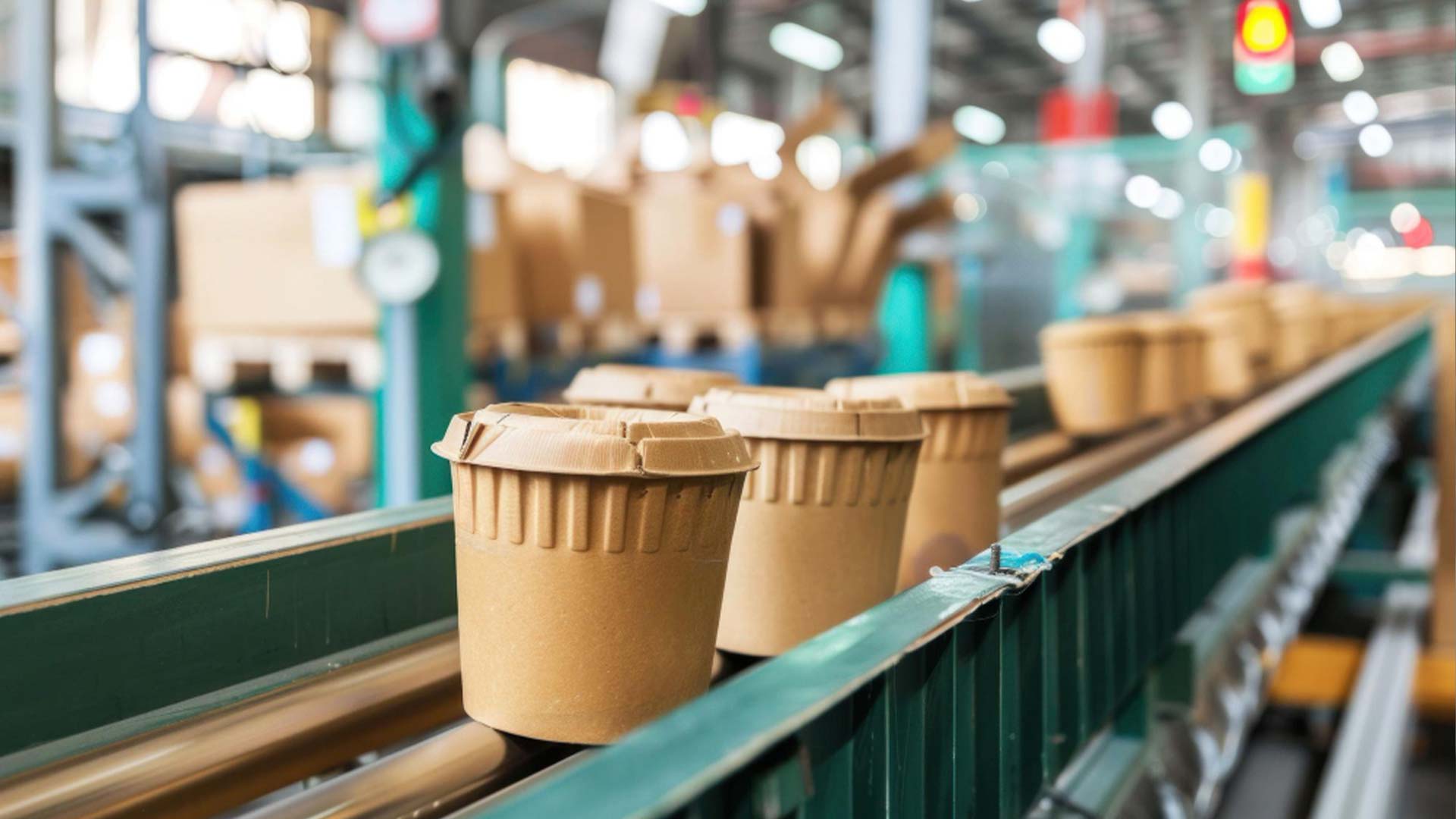
Food packaging rarely gets credit for what it actually does. It sits there, holding the product, doing its job quietly. But once you start pulling it apart, even slightly, you realise how much it depends on it. Shelf life, safety, and legal compliance. Sometimes, brand credibility as well.
For Packaging Manufacturers, this is not just about producing pouches or bags at scale. It is about making sure every unit that leaves the line performs the same way, under conditions that are not always predictable. That part often gets missed.
Where quality in food packaging actually begins
Quality does not begin on the factory floor. It begins at the point where someone asks a fairly simple question. What exactly does this product need protection from?
That answer is rarely straightforward.
Some products react to oxygen. Others to moisture. Some need to release gas, others need to be completely sealed. Even storage conditions change the equation. A product stored in ambient conditions behaves differently from one that is refrigerated or transported across varying climates.
Understanding product behaviour before design
This is where the groundwork happens.
Before deciding on formats or visuals, Packaging Manufacturers look at:
- How sensitive the product is to air and moisture
- Whether it releases gases over time
- How long does it need to remain stable on shelves
- What kind of handling will it go through
It sounds basic, but skipping this step usually leads to problems later. Packaging that looks right but fails under real conditions.
Material selection is where most decisions quietly matter
Material choice often gets treated as a cost decision. In practice, it is much more than that.
The material determines how well the packaging can protect the product, how it behaves over time, and whether it meets regulatory standards.
Barrier properties and food safety
A key factor here is barrier performance.
Packaging needs to be controlled:
- Oxygen ingress
- Moisture transmission
- Light exposure in some cases
If the barrier is not strong enough, the product degrades faster. Sometimes gradually, sometimes faster than expected. At the same time, materials must be safe for food contact. This includes films, adhesives, and even inks used during printing.
Reliable Packaging Manufacturers test materials not just for performance, but also for compliance. Migration testing, for example, checks whether any substances transfer from the packaging into the food.
That is not something you just assume.
Designing packaging structures that actually hold up

Most food packaging today is not made from a single material. It is layered.
Each layer has a role. Remove one or reduce its effectiveness, and the entire structure weakens.
Multi-layer structures and their purpose
A typical flexible packaging structure may include:
- An outer layer for strength and printability
- A middle barrier layer to control oxygen or moisture
- An inner sealing layer that ensures closure
The balance between these layers matters more than the individual components.
For instance, a strong outer layer does not help much if the sealing layer fails. And a good seal alone is not enough if the barrier layer allows air to pass through.
This is where experience tends to show. Established Packaging Manufacturers like Fine Pack adjust structures based on the product, not just the format.
Compliance goes beyond materials
Compliance is often reduced to material safety. That is only one part of it.
There is also a requirement to communicate clearly and accurately with the consumer.
The role of food packaging labels
Accurate food packaging labels are a legal requirement, not just a design element.
They must clearly display:
- Ingredients
- Nutritional information
- Expiry dates
- Allergen warnings
Mistakes here are not small errors. They can result in product recalls or regulatory action.
And it is not just about including the information. It has to remain legible and intact throughout the product’s lifecycle.
Testing is where assumptions get challenged
Testing tends to sit in the background. It is not visible, and often not discussed much. But it is one of the most important parts of the process.
Before packaging goes into production, it is usually tested under conditions that simulate real-world use.
What testing typically involves
Common tests include:
- Seal strength testing
- Drop testing to simulate transport
- Burst and pressure testing
- Barrier performance evaluation
These tests reveal how packaging behaves outside controlled conditions.
A seal that looks fine during production might fail under humidity or pressure changes. Testing helps identify these issues early, before they reach the market.
Reliable Packaging Manufacturers treat testing as part of the process, not an extra step.
Printing is more technical than it looks
Printing is often seen as the creative part of packaging. Branding, colours, layout. But there is a technical layer to it as well.
Ink safety and print durability
Inks used in food packaging must meet safety standards. They should not transfer, bleed, or degrade over time.
There is also the question of durability. Packaging goes through handling, transport, and storage. The print needs to remain clear and readable.
This becomes more complex with custom food packaging, where designs are tailored for each product. Each variation needs to meet the same safety and performance standards.
So printing is not just about how it looks. It is tied to compliance and usability.
Consistency on the production floor
Even with the right design and materials, execution matters.
Production is where small variations can lead to larger issues.
Process control and repeatability
Key factors include:
- Sealing temperature and pressure
- Machine calibration
- Speed and tension control
- Regular quality checks
A slight change in temperature or pressure can weaken seals. Not immediately noticeable, but enough to affect shelf life.
This is why process control matters. It ensures that every batch performs consistently. Well-established Packaging Manufacturers invest in systems and training to maintain that consistency.
Traceability is what protects you when things go wrong
Traceability does not get much attention until there is a problem.
Every batch of packaging should be traceable. That includes:
- Raw materials used
- Production details
- Batch numbers and timelines
If an issue arises, this information helps identify affected batches quickly. Without traceability, even a small defect can turn into a large-scale recall, simply because there is no clear way to isolate it.
Sustainability is now part of the conversation
Sustainability is no longer optional. It is becoming part of how packaging is evaluated.
But it is not as simple as switching materials.
Balancing sustainability with performance
Sustainable packaging needs to:
- Reduce environmental impact
- Maintain product protection
- Meet compliance standards
If it fails to protect the product, it creates more waste in the long run.
Some brands explore alternatives like box sleeve packaging to reduce material usage. Others focus on improving recyclability within flexible packaging formats.
Here again, the role of Packaging Manufacturers is to guide decisions based on performance, not just trends.
Where packaging usually fails
Failures rarely come from one major issue.
More often, they come from a series of small decisions:
- Choosing materials based only on cost
- Skipping proper testing
- Rushing timelines
- Overlooking minor inconsistencies
Each of these might seem manageable. Together, they create risk.
And once the product is in the market, fixing those issues is not straightforward.
Final thoughts
Food packaging operates quietly, but it carries a lot of responsibility. It protects the product, supports compliance, and plays a role in how the brand is perceived.
At Fine Pack, we have seen how early decisions in packaging design tend to shape everything that follows. Some choices feel minor at the start, but their impact shows up later, sometimes when it is harder to correct.
We usually suggest treating packaging as part of the product itself. Not something added at the end. That shift changes how decisions are made, and it tends to reduce problems down the line.
FAQs
How do packaging manufacturers test food safety?
They conduct migration testing, environmental simulations, and structural performance checks to ensure packaging remains safe under real storage and transport conditions.
Why is traceability important in food packaging?
Traceability allows manufacturers to track materials and production batches, making it easier to identify and isolate issues quickly if something goes wrong.
Can custom food packaging still meet compliance standards?
Yes, as long as materials, inks, and structural changes are properly tested and validated before production. Compliance does not limit customisation, but it does require careful control.
What role do packaging materials play in food safety?
Materials determine how well packaging protects against contamination, moisture, and oxygen exposure, all of which affect product safety and shelf life.
Are food packaging labels part of compliance requirements?
Yes, labels must include accurate product information including ingredients, expiry dates, and storage instructions. Incorrect labelling can lead to regulatory issues.
How do businesses choose the right packaging manufacturer?
They should evaluate certifications, testing processes, material sourcing, and experience in food-grade packaging to ensure reliability and compliance.


You must be logged in to post a comment.