
Leak-Proof Food Packaging Supplies for Delivery Businesses
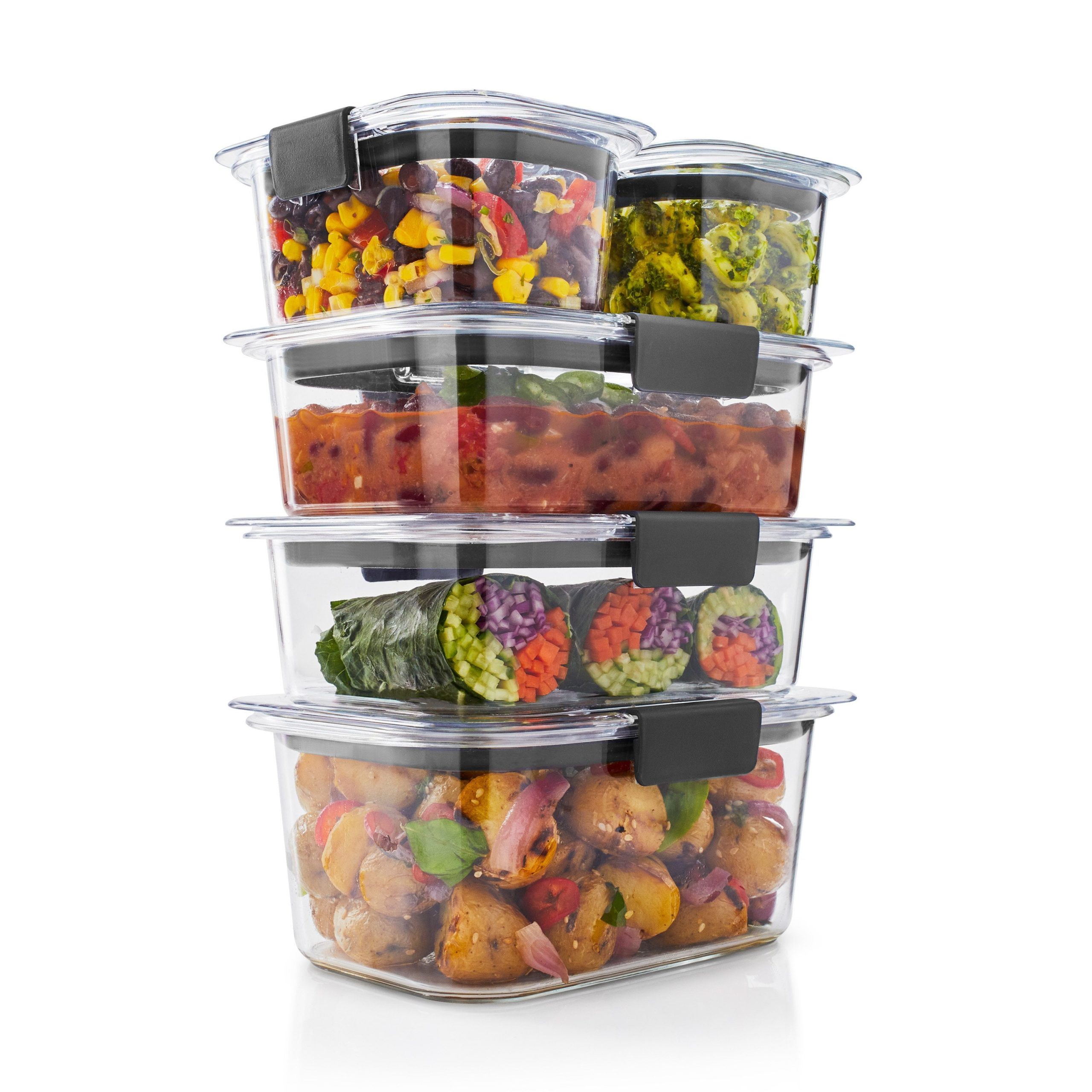
Food delivery has a very simple rule. If it leaks, it fails.
There is no middle ground here. A slightly loose lid, a weak seal, a pouch that shifts under pressure. That is enough. The product is damaged, the customer notices immediately, and the experience is already broken.
Which is why choosing the right food packaging supplies for delivery is not about preference. It is about reliability under movement, heat, and pressure.
And more importantly, it is about knowing which specific supplies actually prevent leaks and which ones only look secure.
Why leak-proof packaging matters more in delivery than retail
Retail packaging stays mostly still. It sits on shelves, handled minimally, stored in controlled conditions.
Delivery is the opposite.
- Items are stacked
- Bags are compressed
- Containers tilt during transit
- Heat builds up inside the packaging
All this puts extra stress on seals and closures.
So packaging that works perfectly in-store can fail in delivery within minutes.
This is where choosing the right food packaging supplies becomes less about format and more about performance under stress.
The core requirements: Sealing + structure + fit
Leak-proof packaging is not one feature. It is a combination.
- A strong seal
- A stable structure
- A tight closure fit
If any one of these is weak, leakage becomes likely.
And this is why some packaging types consistently perform better for delivery than others.
The actual list: leak-proof food packaging supplies that work
This is where clarity matters. Not all packaging types are built for delivery. Some are, and they tend to show up repeatedly across brands that have solved leakage properly.
1. Heat-sealed containers (film-sealed trays)
These are widely used for meal delivery and ready-to-eat foods.
They use a sealing film that bonds directly to the container, creating a tight closure.
Why they work:
- No lid movement during transit
- Strong seal across the entire surface
- Suitable for liquids and semi-liquids
They are especially useful for:
- Curries, gravies, and sauces
- Rice-based meals
- Prepared meal kits
This is one of the most reliable food packaging supplies for delivery, particularly for hot foods.
2. Leak-resistant hinged lid containers with locking mechanisms
Not all hinged containers are equal. The ones designed for delivery include tight locking edges.
What makes them effective:
- Snap-lock closures that hold under pressure
- Reinforced rims to prevent deformation
- Better resistance to stacking pressure
Used commonly for:
- Takeaway meals
- Fast food combinations
- Semi-solid foods
The key is the locking system. Loose-fit lids are where most leakage starts.
3. High-barrier pouch packaging with strong seals
Flexible pouches are widely used, but only when designed correctly.
Proper pouch packaging for delivery includes:
- Thick sealing layers
- Reinforced edges
- Controlled barrier properties
Why they work:
- No rigid lid to loosen
- Seals can be made extremely tight
- Suitable for sauces, liquids, and pastes
However, sealing consistency matters here. A poorly-sealed pouch is one of the fastest ways to create leakage.
4. Vacuum packaging for controlled internal movement
With vacuum packaging, air is removed from inside the pack.
This reduces the movement of contents, especially liquids.
Benefits:
- Minimal internal pressure variation
- Reduced sloshing during transit
- Lower risk of seal stress
Best suited for:
- Pre-packed meals
- Marinated products
- Sauces and prepared components
It is not used for all delivery formats, but where it fits, it performs reliably.
5. Retort pouches for high-pressure and high-heat stability
Retort pouches are designed for extreme conditions, including heat and pressure.
While often used for shelf-stable foods, they also perform well in delivery.
Why they stand out:
- Extremely strong sealing layers
- High resistance to deformation
- Maintains integrity under heat
Ideal for:
- Liquid-heavy meals
- Ready-to-eat packaged foods
- Products requiring durability over longer delivery times
They are slightly higher in cost, but failure rates are low when used correctly.
6. Sauce cups with tamper-evident lids
Small components often cause big leakage issues.
Sauces, dips, dressings. These are frequently packed separately and tend to spill.
Tamper-evident lids solve this.
Key advantages:
- A tight seal that cannot loosen easily
- Audible lock when closed
- Prevents accidental opening
They may seem like minor additions, but they play a major role in preventing overall packaging failure.
7. Double-seal bags for secondary protection
Even strong primary packaging benefits from backup protection.
Double-seal bags provide an additional layer.
How they help:
- Contain leaks if the primary packaging fails
- Reduce contamination risk during delivery
- Add structural support during handling
This is often overlooked in food packaging supplies, but it adds a layer of reliability.
8. Rigid containers with silicone or compression seals
Some premium delivery formats use containers with silicone seals.
These are more common in higher-end or reusable packaging systems.
Why are they effective?
- Strong compression sealing
- Resistance to heat and pressure
- Reusable without loss of performance
While not always necessary, they offer a high level of leak resistance.
Where most delivery businesses go wrong
The issue is not a lack of options. It is how those options are chosen.
Common mistakes include:
- Using retail packaging for delivery
- Choices based on cost alone
- Ignoring seal strength consistency
- Not testing under actual delivery conditions
And sometimes, it is just small gaps.
A strong container paired with a weak lid. A good pouch with inconsistent sealing.
Leak-proofing fails when components are mismatched.
Matching supplies to your delivery model
Not every delivery business needs the same setup. Short-distance delivery with quick turnover has different requirements compared to longer routes or high-volume operations.
Think in terms of usage
- High liquid content → Prioritise sealed containers or pouches
- Mixed meals → Use compartmentalised rigid packaging
- Pre-packed items → Consider vacuum or retort options
The goal is not to use the most advanced packaging; it is to use the most suitable one.
Final thoughts
Leak-proof packaging is not about adding more. It is about getting the right combination in place.
At Fine Pack, we have seen that most leakage issues come from small mismatches rather than major failures. A seal slightly weaker than it should be. A lid that fits, but not tightly enough.
Once those are corrected, performance improves quickly.
When selecting food packaging supplies for delivery, it helps to think beyond format and focus on how the packaging behaves in motion.
That tends to bring the right choices into focus.
FAQs
Why do food containers leak during delivery?
Leaks usually happen due to weak seals, loose lids, pressure changes, or materials that soften under heat and movement.
Is pouch packaging suitable for liquid food delivery?
Yes, if properly sealed and designed with strong barrier layers, pouches can handle liquids effectively without leakage.
How does vacuum packaging help prevent leaks?
By removing air, vacuum packaging reduces internal movement and pressure, lowering the risk of seals being stressed during transit.
Are retort pouches necessary for delivery businesses?
Not always, but they are useful for high-temperature or liquid-heavy foods that require extra durability and strong sealing.
Do secondary packaging layers help reduce leakage?
Yes, double-seal bags or outer layers provide backup protection if primary packaging fails during delivery.
How can I test if my packaging is leak-proof?
Simulate delivery conditions like tilting, stacking, and heat exposure to see how the packaging performs under real-world stress.


You must be logged in to post a comment.