
From Coffee Bags to Stand-Up Pouches: How Packaging Companies in Australia Cater to Niche Industries

Packaging used to be treated as a finishing step.
Something added right before products left the warehouse.
That approach doesn’t hold up very well anymore, especially in specialised industries where packaging directly affects shelf life, freight performance, retail presentation, and customer perception all at once.
Across food, coffee, nutraceuticals, pet products, and e-commerce, businesses now expect packaging to solve very specific operational problems. Generic solutions rarely work for long.
This shift is one reason experienced packaging companies in Australia have moved towards far more specialised packaging systems over the past decade. Different industries need different materials, structures, barrier levels, and presentation formats. Sometimes the differences are subtle. Sometimes they’re substantial.
Either way, niche industries usually expose weak packaging faster than mainstream retail categories do.
Coffee packaging has become far more technical
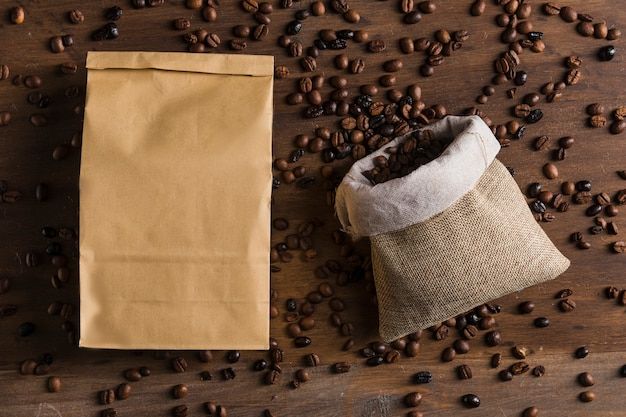
Coffee packaging looks deceptively simple from the outside.
Most consumers notice the branding first. Roasters focus on what happens after filling.
Fresh coffee releases carbon dioxide naturally after roasting. Packaging has to manage that process without allowing oxygen to enter the bag and damage flavour quality.
That creates a fairly specific set of packaging requirements:
- Degassing valves
- Strong aroma barriers
- Reliable seal integrity
- Durable laminate structures
This is why many speciality roasters now rely on dedicated coffee packaging pouches designed specifically for freshness retention rather than using generic retail bags.
And honestly, coffee buyers notice packaging quality quickly. Poor packaging immediately affects how premium the product feels before the bag is even opened.
Shelf presentation matters heavily in coffee retail
Coffee shelves are crowded now.
Independent roasters compete against supermarket brands, e-commerce subscriptions, and imported products all at once. Packaging has become part of the brand identity itself.
Strong print consistency, finish quality, and pouch structure all influence:
- Shelf visibility
- Brand recognition
- Consumer trust
- Perceived freshness
Experienced packaging companies in Australia understand this because coffee packaging failures tend to show up very publicly in retail environments.
Wrinkled bags, weak seals, faded print finishes. Small issues become highly visible once products hit shelves.
Stand-up pouches changed multiple industries at once
Very few packaging formats have spread across industries as quickly as stand-up pouches.
Originally more common in snacks and dry foods, they now appear across:
- Health supplements
- Pet food
- Frozen products
- Confectionery
- Protein powders
- Household goods
Part of the appeal comes from practicality.
Businesses sourcing stand-up pouches in Australia often want packaging that balances:
- Shelf efficiency
- Freight flexibility
- Consumer convenience
- Branding space
- Product protection
Compared to rigid containers, stand-up pouches generally require less storage space and adapt more easily to e-commerce fulfilment systems.
However, not every product suits the same pouch structure. Barrier requirements still vary heavily depending on moisture sensitivity, oxygen exposure, and shelf-life expectations.
Niche food industries usually need customised packaging structures
Specialised food products rarely behave the same way during storage or transport.
A dry spice blend requires different protection compared to frozen seafood or powdered supplements. The packaging structures need to account for:
- Moisture control
- Oxygen transfer
- Heat exposure
- Product weight
- Freight handling conditions
This is where experienced packaging companies in Australia separate themselves from general suppliers.
The stronger operators usually spend more time understanding how products move through:
- Filling lines
- Warehousing
- Freight networks
- Retail display systems
Because packaging failures often happen long after products leave production facilities.
That’s the part many businesses underestimate early on.
E-commerce changed packaging expectations completely
Packaging for e-commerce works differently compared to traditional retail.
Products travel through more handling points. Freight conditions become rougher. Consumers interact with packaging directly during delivery rather than seeing it first on retail shelves.
That changes packaging priorities quite a bit.
Businesses now need packaging that:
- Protects products during transit
- Maintains presentation after shipping
- Supports branding during unboxing
- Reduces damage risk
This is one reason flexible packaging has expanded rapidly within direct-to-consumer industries.
Lightweight packaging structures simplify freight handling while still offering strong visual presentation if designed properly.
Shelf-ready packaging became more important for retailers
Retailers increasingly want products that move from cartons directly onto shelves with minimal handling.
It saves labour. It improves display consistency. It speeds up shelf replenishment.
This has increased demand for shelf-ready packaging across supermarkets, wholesale retail, and convenience sectors.
Good shelf-ready systems usually balance:
- Structural durability
- Easy opening access
- Product visibility
- Retail presentation
The challenge is making packaging durable enough for transport without making it difficult for retail staff to manage once products arrive in stores.
That balance sounds straightforward. In practice, it takes careful structural planning.
Packaging consistency affects specialised brands more heavily
Large mainstream brands can sometimes absorb small packaging inconsistencies without major customer backlash.
Niche brands usually can’t.
Smaller product categories often depend heavily on presentation because customers associate packaging quality directly with product quality.
Consumers buying premium tea, speciality coffee, organic snacks, or boutique pet products expect consistency across every order.
Established packaging companies in Australia tend to focus heavily on:
- Print calibration
- Material consistency
- Seal testing
- Production repeatability
That’s because specialised industries generally notice defects faster than mass-market categories do.
A single inconsistent batch can stand out immediately within smaller retail segments.
Sustainability pressure differs across industries
Not every niche sector approaches sustainability the same way.
Some industries prioritise recyclability. Others focus more heavily on reducing freight weight or lowering material usage. Food manufacturers still need strong barrier performance regardless of environmental goals.
This creates difficult trade-offs.
Some recyclable structures reduce shelf life performance. Compostable materials may not suit moisture-sensitive products or long transport conditions.
Good packaging companies in Australia discuss these limitations honestly rather than presenting sustainability as a simple packaging upgrade.
There still isn’t one universal solution that works perfectly across every niche category.
The best packaging companies understand operational realities
Well-known packaging suppliers don’t just ask about dimensions and artwork.
They ask operational questions:
- How long will products remain in storage?
- Will they face temperature fluctuations?
- How are products transported?
- Is resealability important?
- What shelf life is required?
- Are products sold online, retail, or both?
Those conversations reduce packaging problems later because the packaging gets designed around actual product movement rather than assumptions.
Experienced packaging companies in Australia usually understand that packaging systems need to perform across the entire supply chain, not simply look attractive during product launches.
In Conclusion
Niche industries place far more pressure on packaging than many businesses initially expect. Tea, Coffee, food, supplements, pet products, and e-commerce brands all rely on packaging systems that protect products while supporting presentation, logistics, and customer perception at the same time.
Reliable packaging companies in Australia help businesses navigate those requirements before operational issues begin affecting product quality or retail performance.
At Fine Pack, we’ve seen how different industries require very different packaging approaches, even when products appear similar on shelves. The businesses that scale most smoothly are usually the ones treating packaging as part of their operational strategy early rather than treating it as an afterthought later.
FAQs
What makes coffee packaging different from standard food packaging?
Coffee packaging often requires degassing valves, aroma barriers, and strong oxygen protection to maintain freshness.
Are stand-up pouches suitable for ecommerce businesses?
Yes. Stand-up pouches are lightweight, space-efficient, and durable enough for many e-commerce shipping environments.
What is shelf-ready packaging?
Shelf-ready packaging is designed for easy retail display directly from transport cartons with minimal handling.
Why is packaging consistency important for niche brands?
Inconsistent packaging can reduce consumer trust and affect how premium products are perceived in retail environments.
Can sustainable packaging work for all industries?
Not always. Some sustainable materials may reduce durability or shelf-life performance depending on the product category.
What should businesses look for in packaging companies?
Look for technical expertise, industry-specific knowledge, quality control systems, and experience across different packaging formats.



You must be logged in to post a comment.