
How to Choose Food Packaging Supplies That Meet Australian Safety Standards
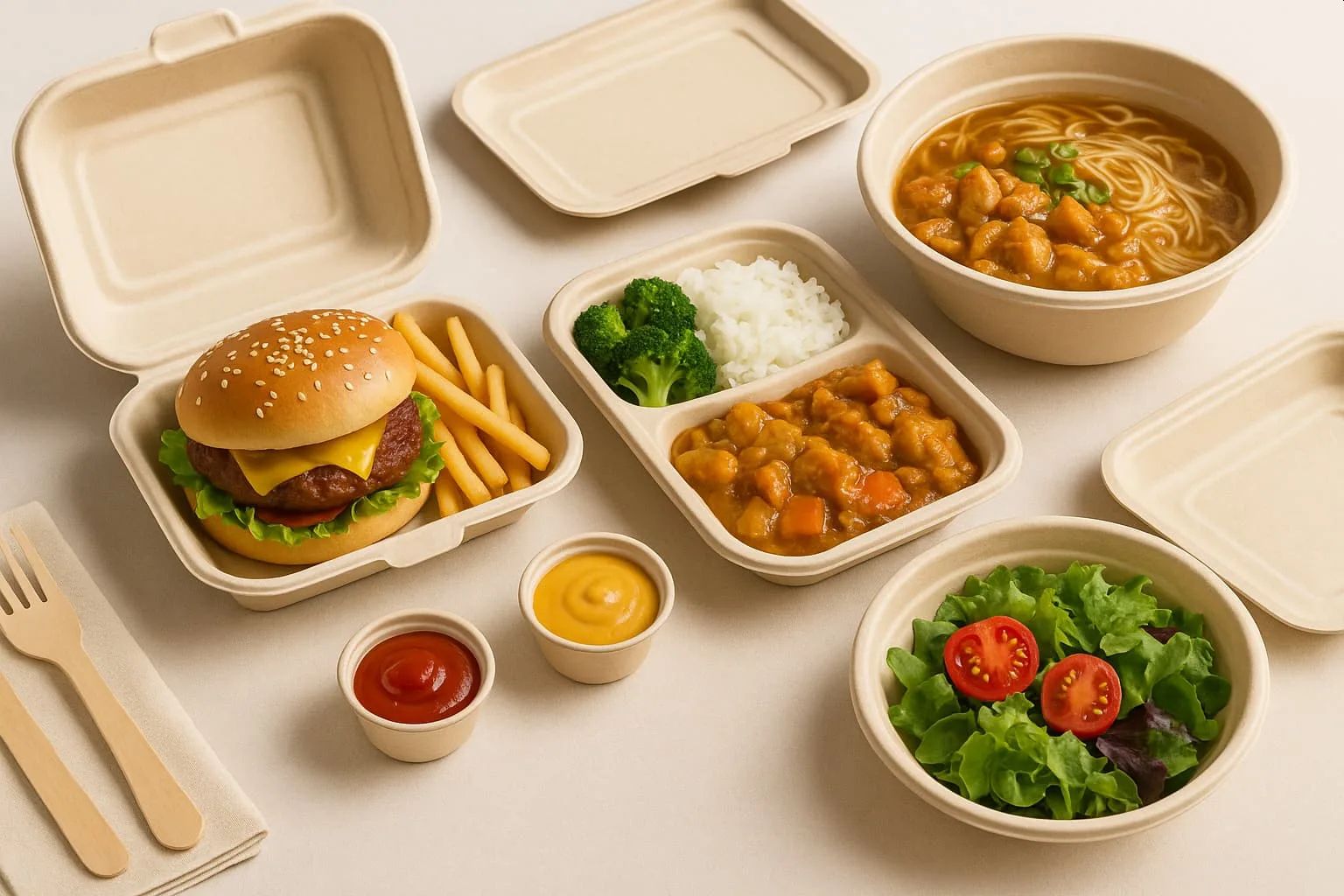
Choosing food packaging supplies in Australia is not just a sourcing decision. It is closer to a compliance decision that affects how your product can legally exist in the market.
And this is where things get slightly uncomfortable for most brands.
Because the wrong choice does not always fail immediately. It might sit on shelves, look fine, and move units. Then, a few months later, something surfaces. Shelf life issues. labelling inconsistencies. Or worse, a compliance check that flags something you did not even realise was a requirement.
So the question is not ‘what packaging should I use?’, it is ‘what packaging can I use safely, legally, and consistently under Australian standards?’
That shift matters.
Start with the standards, not the supplier
Most businesses begin by looking for vendors. Quotes, samples, timelines.
But in Australia, the starting point should be the Food Standards Code. Because that is what defines what is acceptable, regardless of who supplies it.
You are not outsourcing compliance to your supplier. You are responsible for it.
What the standards actually expect
At a practical level, Australian regulations require that packaging should:
- Do not contaminate food
- Be suitable for its intended use
- Maintain integrity over shelf life
- Clearly communicate the required information
That sounds broad. It is. And that is why the burden shifts to how you choose your food packaging supplies, not just where you buy them from.
Step one: Check material compliance before anything else
This is non-negotiable.
Every layer of your packaging must be safe for food contact. Not just the main material. The adhesives, coatings, and inks as well.
And this is where people make assumptions.
A supplier saying food grade is not enough on its own.
What you should actually ask for
Before finalising food packaging supplies, check:
- Material compliance declarations
- Migration testing reports
- Details of how materials behave with your product type
Migration testing is particularly important. It measures whether substances transfer from packaging into food under real conditions.
Different foods react differently. Oils, acids, and moisture content. These all affect interaction.
So material suitability is not universal. It is specific.
Step two: Match the packaging to your product’s behaviour
This is where many decisions quietly go wrong.
Packaging is often chosen based on format first. Pouches, cartons, sleeves. What looks right, what competitors are using.
But Australian standards care about suitability, not appearance.
Think in terms of exposure, not format
Ask:
- Will the product be exposed to air?
- Does moisture affect its quality?
- Does it release gases over time?
- How long will it sit before consumption?
These answers shape your packaging structure.
For example:
- A dry snack needs moisture control
- Coffee needs a degassing capability
- Liquids need pressure-resistant seals
Choosing food packaging supplies without aligning them to these behaviours usually leads to either overengineering or underperformance.
Neither is ideal.
Step three: Get barrier levels right, not excessive
Barrier properties often get misunderstood. The instinct is to go higher. Stronger barrier, more protection, safer outcome. But that is not always true.
Over-specification is a real cost problem
If your product has a short shelf life or controlled distribution, high-barrier materials may not add value. They just increase the cost.
On the other hand, under-specifying barrier properties leads to degradation.
The balance comes from:
- Shelf life expectations
- Storage conditions
- Distribution range
This is where experienced suppliers help. But the decision still needs to be grounded in your product, not a generic recommendation.
Step four: Do not overlook labelling compliance
This is where things get very strict in Australia. Packaging is not compliant if the information on it is incomplete or unclear.
What must be correctly handled
Your food packaging labels must include:
- Ingredient list
- Nutritional panel
- Allergen declarations
- Date markings
- Storage instructions
But beyond inclusion, there is readability.
Labels must remain clear through handling, storage, and display. If print fades, smudges, or becomes unclear, it creates compliance risk.
This is often overlooked during design stages.
Step five: Evaluate how the packaging is manufactured
Even compliant materials can fail if production is inconsistent.
Australian standards expect packaging to be produced in conditions that minimise contamination and variability.
What to actually look at
When reviewing suppliers of food packaging supplies, check:
- Cleanliness of facilities
- Handling processes for materials
- Batch consistency controls
- Staff hygiene practices
You are not just buying packaging. You are relying on how it is produced.
This is one of those areas where shortcuts show up later, not immediately.
Step six: Testing is where assumptions get corrected
A packaging structure might look right on paper. It might even work in initial trials.
But real-world conditions are different.
What should be tested?
Before locking in your food packaging supplies, ensure:
- Seal strength is tested
- Packaging can handle transport stress
- Barrier performance is validated over time
Skipping this step is usually a cost-saving move that becomes expensive later.
Returns, spoilage, complaints. These costs are rarely small.
Step seven: Use customisation carefully
Customisation is important for branding. But it should not complicate compliance.
Where customisation works well
With custom food packaging, focus on:
- Maintaining structural integrity
- Using approved inks and materials
- Keeping designs practical for production
Problems usually arise when design decisions override functional ones.
Complex shapes, unnecessary finishes, frequent changes. These increase cost and risk without always improving outcomes.
Step eight: Understand where secondary packaging fits
Not all packaging decisions need to affect the primary structure.
In some cases, box sleeve packaging is used to carry branding or additional information while keeping the main packaging stable and compliant.
This approach works when:
- You want flexibility in design
- You need to update information without reworking the core packaging
But it should support compliance, not compensate for weak primary packaging.
Where most businesses get this wrong
It is rarely one big mistake.
It is usually a series of smaller ones:
- Trusting generic food grade claims without verification
- Choosing formats before understanding product behaviour
- Over-specifying materials just to be safe
- Skipping proper testing
- Treating packaging as a final step
Each decision seems reasonable in isolation.
Together, they create gaps.
And those gaps tend to show up later, when changes are harder to make.
Final thoughts
Choosing food packaging supplies under Australian standards is less about finding the best option and more about avoiding the wrong ones.
At Fine Pack, we often see that clarity early in the process removes a lot of complexity later. When the product, shelf life, and compliance requirements are clearly understood, the packaging decisions tend to fall into place.
We always recommend approaching packaging as part of the product itself. Not something that wraps around it at the end. That shift changes how decisions are made, and more importantly, it reduces the chances of issues showing up when it is already in the market.
FAQs
How do I verify if food packaging supplies are compliant?
You should request compliance certificates, migration testing reports, and material specifications from your supplier rather than relying on general claims.
Why is migration testing important for packaging?
It checks whether harmful substances transfer from packaging into food over time, especially under heat, moisture, or storage conditions.
Can I use the same packaging for different food products?
Not always. Different products interact differently with materials, so packaging must be selected based on specific product behaviour and shelf life.
What role do food packaging labels play in compliance?
They are legally required and must clearly display ingredients, allergens, and other key details. Errors can lead to penalties or product recalls.
Is custom food packaging harder to keep compliant?
It can be if not managed properly, but when designed with correct materials and testing, it meets the same safety standards as standard packaging.
Does secondary packaging, like box sleeve packaging, affect compliance?
It supports communication and branding, but primary packaging must still meet all safety and material requirements independently.



You must be logged in to post a comment.