
Complete Guide to Packaging Supplies for Small Businesses in Australia

If you run a small business in Australia, packaging stops being just a box pretty quickly.
At the start, it feels operational. You just need something that holds the product and gets it to the customer. Then orders increase, competition tightens, and suddenly your packaging is doing more than carrying items. It is shaping how your brand is perceived.
That shift is where most businesses either step up or stay stuck.
This guide is built for that exact moment. Not theory. Not generic advice. Just a grounded breakdown of how packaging supplies actually impact small businesses in Australia and how to make smarter decisions without overcomplicating it.
Why packaging is no longer a backend decision
There is a point where packaging moves from logistics to brand experience.
You don’t really notice it until you receive your own product the way a customer does. The feel of the box. The way it opens. Whether it looks intentional or rushed.
That moment matters more than most businesses expect.
A few outcomes of good packaging:
- Customers feel the product is worth what they paid
- The brand feels more established, even if it is not large
- There is a higher chance of repeat purchase
And the opposite is also true. Weak packaging creates doubt. Even if the product is solid.
In Australia’s current e-commerce environment, where customers are exposed to well-presented brands daily, expectations are already set. You are not competing with other small businesses. You are competing with the experience customers are used to.
What falls under packaging supplies
The term gets used loosely, but it helps to break it down clearly.
Packaging supplies include everything used to contain, protect, and present your product. Not just boxes.
Primary packaging
This is the first layer. The one that directly holds the product.
It includes:
- Bottles and jars
- Flexible pouches
- Wrappers and sachets
For industries like food or cosmetics, this is not an optional detail. It affects safety, compliance, and usability.
There has been a steady move towards pouch packaging in Australia, especially for brands trying to reduce bulk and shipping costs without compromising presentation.
Secondary packaging
This is what customers see first when they receive the order.
- Mailer boxes
- Shipping cartons
- Rigid packaging
This layer carries most of your branding weight. Even simple customisation here can change how the product is perceived before it is opened.
Protective packaging
This is the part people ignore until something breaks.
- Paper fill
- Bubble wrap
- Custom inserts
It does not need to look impressive. It just needs to work. A damaged product wipes out any effort made elsewhere.
Branding elements and add-ons
This is where small details start to add up.
- Printed inserts
- Stickers
- Tissue wraps
Not essential. But when done right, they create a more complete experience.
Choosing packaging based on where your business stands
There is no single setup that works for everyone.
What works depends heavily on your stage.
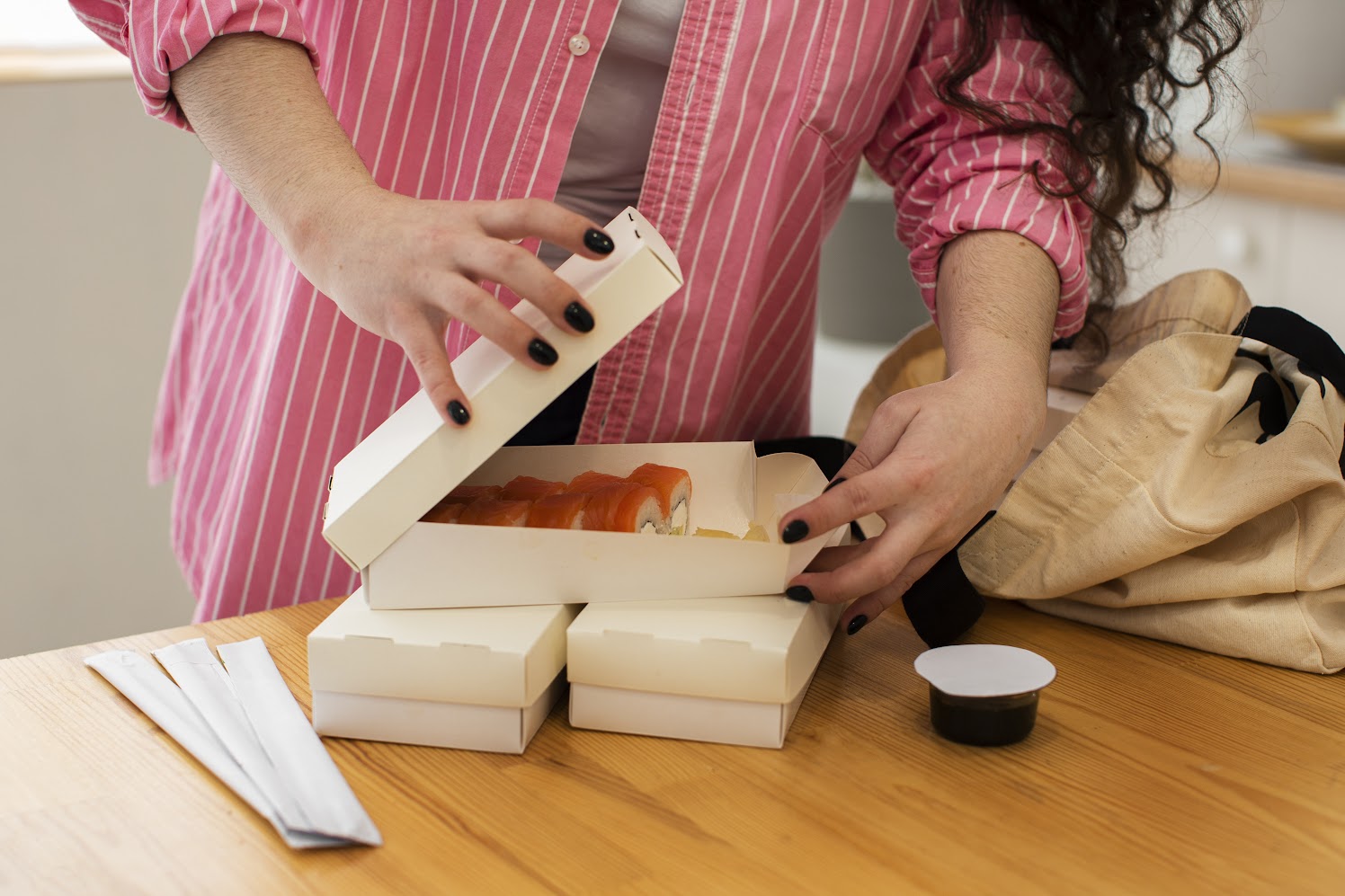
Early-stage businesses
Keep it tight. Focus on function.
- Use standard packaging sizes
- Add light branding, not full customisation
- Prioritise durability over aesthetics
At this stage, consistency matters more than appearance.
Growth-stage brands
This is where packaging starts to influence perception more directly.
You begin to notice:
- Customers mentioning packaging
- Social media shares are increasing
- Repeat orders are becoming consistent
That is usually the point where investing in custom packaging in Australia starts to make sense. Not for vanity, but for alignment.
Established small businesses
Here, packaging becomes part of your identity.
You are refining:
- Material quality
- Finishes and print clarity
- Sustainability choices
And the changes, even subtle ones, start showing up in customer behaviour.
The role of sustainability in Australian packaging
This is not a trend anymore. It is a baseline expectation.
Customers might not always demand fully-compostable packaging, but they do notice excess. Too much plastic. Too many layers.
A few realistic shifts businesses are making:
- Moving to recyclable mailers
- Reducing unnecessary fillers
- Using paper-based alternatives where possible
These are not radical changes. But they signal intent, and that matters in building trust.
Cost versus impact: a better way to look at packaging
Most small businesses try to reduce packaging costs early on.
That is understandable. Margins are tight.
But focusing only on cost misses the bigger picture.
Good packaging:
- Reduces return rates
- Improves perceived value
- Supports repeat purchases
Cheap packaging often does the opposite quietly. It does not fail loudly. It just underperforms over time.
So the question shifts slightly. Not how cheap can this be but what is this doing for the business?.
When custom packaging starts making sense
There is no fixed revenue number or timeline.
But there are indicators.
If your business has:
- Stable order volume
- A defined brand identity
- Customers engaging beyond the purchase
Then it is worth exploring.
Custom packaging helps control how your product is experienced. It removes randomness.
Even category-specific packaging, like coffee packaging bags, can influence how a customer remembers your brand. The feel, the structure, the usability. It all builds recall.
Common packaging mistakes that slow growth
These are patterns that show up repeatedly.
-
Doing too much too early
Trying to create a premium experience without the volume to support it
-
Ignoring shipping conditions
Designing packaging that looks good but does not hold up in transit
-
Inconsistent packaging sizes
This increases costs and complicates operations over time
-
Weak material choices
Saving on material but losing on durability and perception
-
Lack of brand consistency
Packaging that does not match the product or positioning
None of these is a dramatic mistake. But together, they slow things down.
How packaging quietly affects customer decisions
Packaging rarely gets direct credit. But it influences behaviour.
- A structured unboxing feels more valuable
- A clean presentation increases trust
- Thoughtful details encourage sharing
Customers do not always articulate this. But it shapes how they feel about your brand.
And that feeling affects whether they come back.
Packaging as a scaling lever, not just a requirement
At a certain point, packaging becomes operational.
You start thinking about:
- Bulk procurement
- Lead times
- Supplier reliability
- Storage efficiency
Inconsistent packaging supply can disrupt order fulfilment. And that has a direct impact on customer experience.
So the decision shifts again. It is no longer just about what the packaging looks like. It is about whether your system can support growth without friction.
Final thoughts
There is no perfect packaging solution.
But there is a point where ignoring packaging starts holding a business back.
If you are reviewing your packaging supplies or questioning whether your current setup still fits your business, that usually signals a transition phase. And those are the moments that shape how a brand grows.
At Fine Pack, we work with Australian businesses at different stages, helping them move from basic packaging to something more considered. Not overdone. Not unnecessarily complex. Just aligned with where the business is heading and how it wants to be experienced.
FAQs on Unboxing Experiences and how custom packaging influences brand loyalty:
How do I choose the right packaging for my business?
Start with your product type, shipping needs, and budget. Then align packaging with your brand positioning and growth stage. What works early on may need to evolve as order volumes increase.
Is custom packaging worth it for small businesses?
Yes, once you have consistent sales and brand clarity. Custom packaging improves perception, builds recall, and can contribute to repeat purchases over time.
What are the eco-friendly packaging options available in Australia?
Common options include recyclable mailer boxes, compostable pouches, and paper-based protective materials. Many suppliers now offer sustainable alternatives without major cost increases.
How much should small businesses spend on packaging supplies?
There is no fixed number, but packaging should balance cost with impact. Spending slightly more on quality often improves customer retention and reduces returns.
What type of packaging is best for food products?
Sealed and durable options like pouch packaging are widely used. They help maintain freshness, extend shelf life, and are easier to transport compared to rigid containers.
Can packaging really influence customer retention?
Yes, packaging shapes first impressions and overall experience. A well-packaged product feels more valuable and increases the likelihood of repeat orders.



You must be logged in to post a comment.