
Future of Sustainable Food Packaging: What’s Changing in 2026
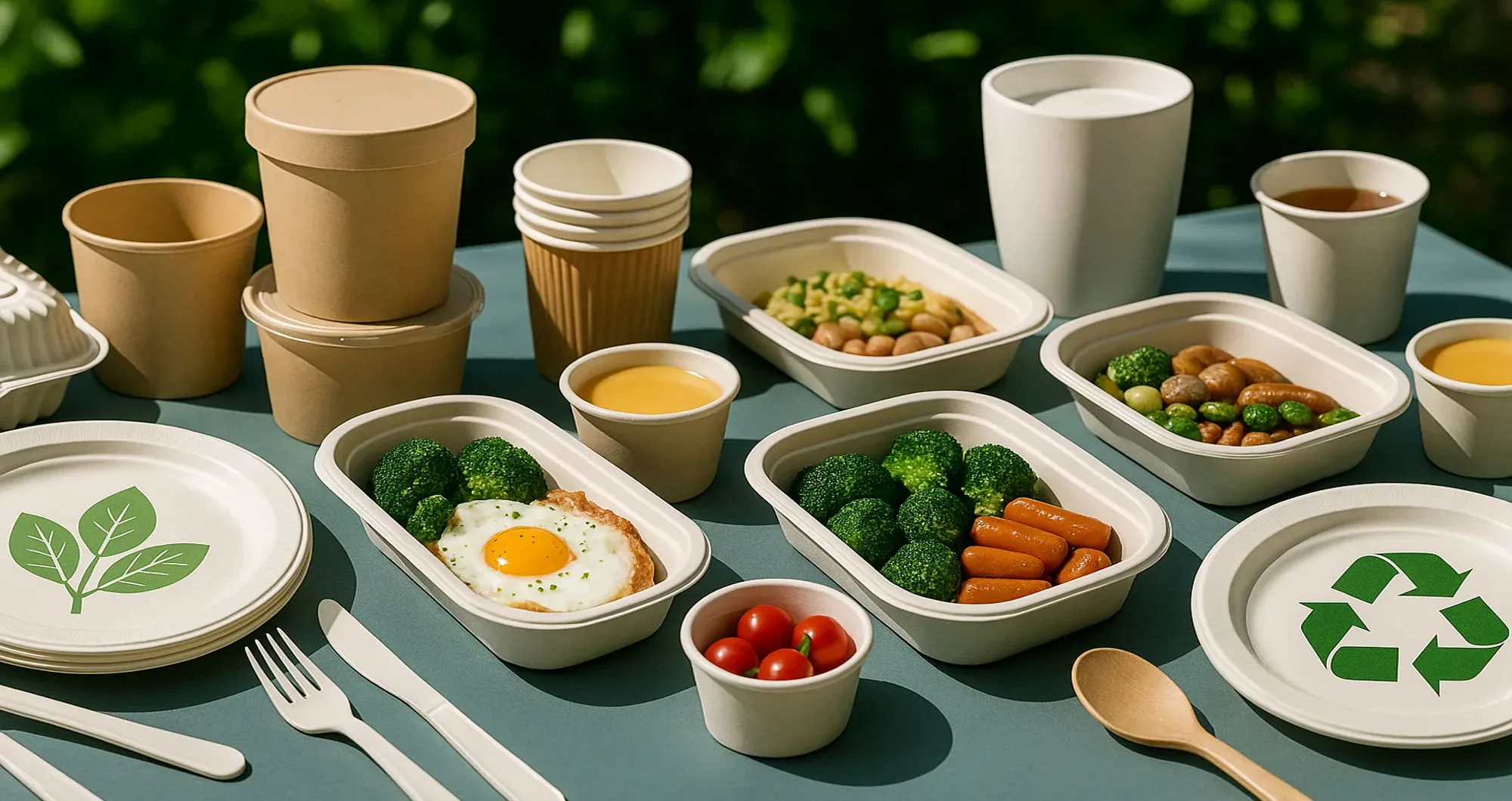
A shift that is no longer optional
For a long time, Sustainable Food Packaging sat somewhere between a trend and a compliance requirement. Businesses adopted it gradually. Some leaned in early, others waited.
That middle ground is fading.
In 2026, the direction is clearer. Sustainability is not a side decision anymore. It is tied directly to operations, supply chains, and, in many cases, whether a product can even be sold in certain markets.
What has changed is not just the materials. It is the expectations around them.
Regulations are tightening, but not evenly
Different regions are moving at different speeds, but the overall direction is consistent. Restrictions on single-use plastics are expanding. Compostability standards are becoming more defined. Labelling requirements are stricter.
This creates a slightly uneven landscape.
A packaging format that works in one region may not meet requirements in another. Businesses operating across multiple locations feel this more sharply.
There is also less room for vague claims.
Terms like eco-friendly or green are no longer enough. Certification, traceability, and material clarity are becoming part of standard compliance.
Material innovation is becoming more practical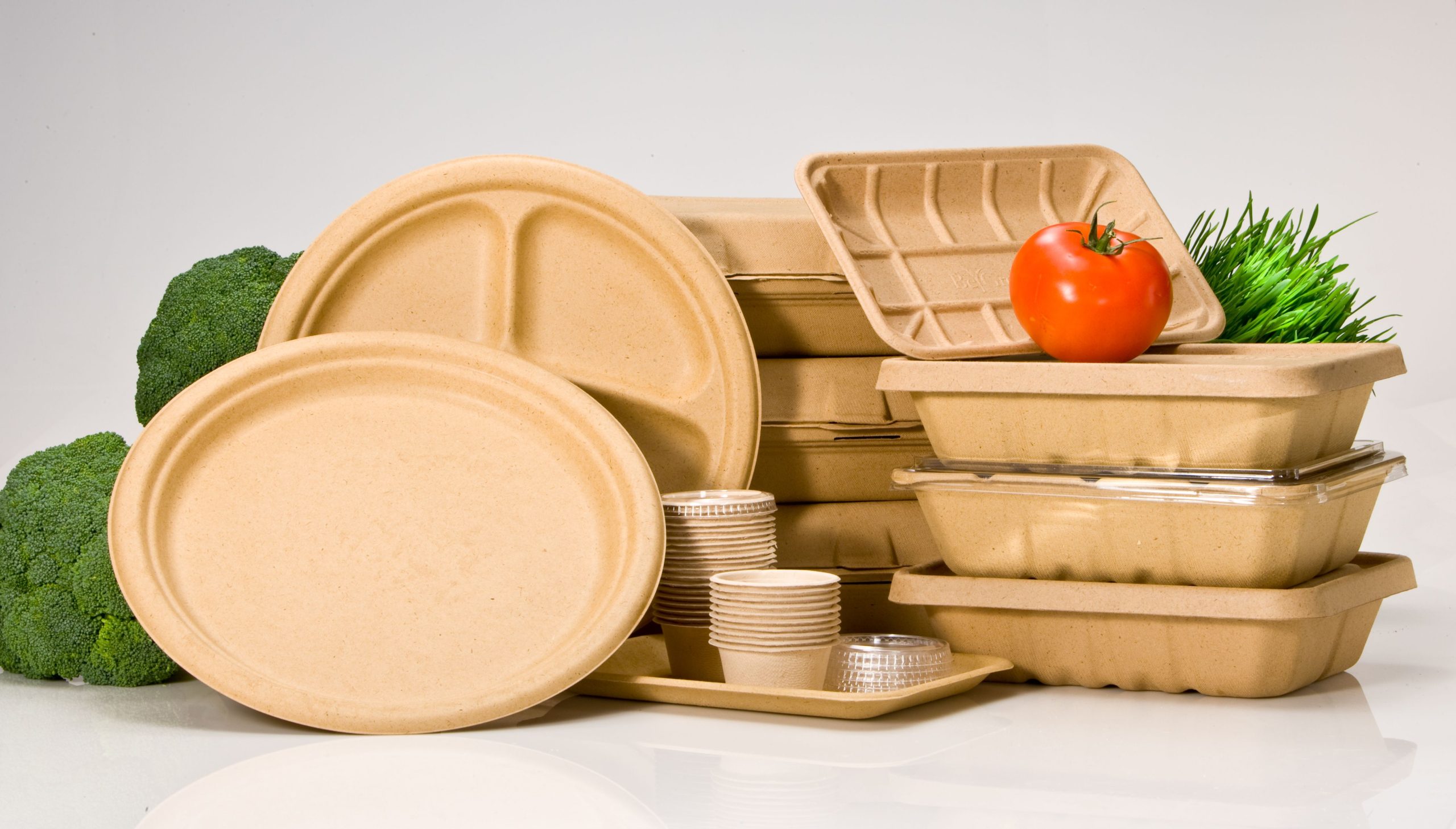
There was a phase where sustainable materials felt experimental. That is changing.
In 2026, materials are not just designed to replace plastic. They are being built to perform under real conditions.
- Heat resistance for takeaway applications
- Moisture barriers for longer shelf life
- Structural integrity for stacking and transport
Bagasse, moulded fibre, and certain plant-based polymers are becoming more reliable. Not perfect, but usable at scale.
This matters because performance used to be the main limitation. If packaging fails during use, sustainability becomes irrelevant.
Now, the gap between conventional and sustainable materials is narrowing.
Cost is still a factor, but the gap is shifting
Sustainable options have historically been more expensive. That has not disappeared.
However, two things are changing.
First, production volumes are increasing. As demand grows, costs begin to stabilise.
Second, traditional materials are becoming more expensive due to regulation, supply constraints, and environmental levies.
So the price difference is still there, but it is less extreme than it was a few years ago.
For many businesses, the decision is no longer purely cost-driven. It is becoming a balance between compliance, brand positioning, and long-term stability.
Design is moving towards reduction, not just substitution
Earlier, sustainability often meant replacing one material with another.
Now, the focus is shifting towards using less material overall.
This shows up in small but meaningful ways:
- Thinner yet durable packaging structures
- Elimination of unnecessary layers
- Simplified designs that reduce material usage
The idea is straightforward. Reducing material often has a bigger impact than switching materials.
It also affects cost. Less material generally means lower production and transport expenses.
However, this approach requires careful design. Cutting too much can compromise performance. Getting it right takes testing.
Compostability is being questioned more closely
Compostable packaging gained attention quickly. It seemed like a clean solution.
In practice, it is more complicated.
Compostable materials require specific conditions to break down properly. Industrial composting facilities are not available everywhere. In some cases, compostable packaging ends up in a landfill, where it behaves differently.
This does not make compostable packaging irrelevant. But it does mean businesses need to understand where and how it will be processed.
There is a growing push towards clearer communication:
- Is the packaging home compostable or industrial compostable?
- What disposal options are realistically available to the end user?
Without this clarity, the environmental benefit becomes uncertain.
Recycling is being redesigned, not abandoned
Recycling remains a key part of the system, but it is being refined.
One of the main challenges has been multi-layer packaging. These materials perform well but are difficult to recycle.
In 2026, there is more focus on mono-material solutions. Packaging designed using a single type of material is easier to process and recycle.
This applies across different formats, including flexible packaging.
For example, developments in vacuum packing bags for food are moving towards recyclable structures without compromising barrier properties.
The progress is gradual. But it is moving in a practical direction.
Consumer awareness is sharper than before
Consumers are paying closer attention to packaging. Not just visually, but functionally.
They are asking:
- Can this be recycled locally?
- What material is this made from?
- Is the claim on the label accurate?
This awareness is not uniform across all segments, but it is growing.
Businesses that provide clear, honest information tend to build more trust. Overstated claims or unclear messaging can have the opposite effect.
The expectation is not perfection. It is transparent.
Branding and sustainability are becoming linked
Packaging is no longer just functional. It communicates values.
For many brands, Sustainable Food Packaging is part of how they position themselves in the market.
This is especially visible in segments like specialty coffee, where packaging choices influence perception.
Products such as the best coffee bags in Australia are increasingly expected to balance quality preservation with sustainability.
The challenge is maintaining performance while aligning with environmental goals. It is not always straightforward.
Supply chains are adjusting, slowly but steadily
Sustainable packaging does not exist in isolation. It depends on supply chains.
Sourcing raw materials, manufacturing processes, and logistics all play a role.
In 2026, there is more emphasis on:
- Local sourcing where possible
- Reducing transportation distances
- Improving consistency in material supply
Supply chains are still adapting. There are gaps, especially in availability and lead times for certain materials.
Businesses need to plan more carefully. Last-minute sourcing is harder when dealing with specialised materials.
Certifications are becoming part of the baseline
Third-party certifications are gaining importance.
They provide a level of verification that internal claims cannot.
Common areas include:
- Compostability standards
- Recyclability verification
- Sustainable sourcing certifications
These are not just marketing tools. In some cases, they are required to meet regulatory or retail standards.
Understanding what each certification means is important. Not all labels carry the same weight.
Where biodegradable options fit in
The term biodegradable packaging is still widely used, but it is often misunderstood.
Biodegradable simply means a material can break down over time. It does not specify how long it takes or under what conditions.
In practical terms, this makes it less precise than compostable or recyclable classifications.
Businesses need to be careful when using this term. Clarity matters more than general claims.
What businesses should be paying attention to now
The direction is clear, but the path is not identical for everyone.
A few practical considerations:
- Review current packaging materials against upcoming regulations
- Test alternative materials under real operating conditions
- Understand disposal infrastructure in your key markets
- Avoid overcommitting to formats that are still evolving
There is no single solution that fits all use cases.
What works for a high-volume takeaway chain may not work for a premium retail product.
The balance between sustainability and performance
One thing remains consistent. Packaging still needs to perform.
If it fails to protect the product, maintain quality, or support logistics, the environmental benefit becomes secondary.
The goal is not to choose between sustainability and performance. It is to align both.
This often requires trade-offs. Slightly higher costs, minor adjustments in design, or changes in sourcing.
The key is to approach these decisions with a long-term view.
Final thoughts
The conversation around Sustainable Food Packaging in 2026 feels more grounded than it did a few years ago.
Less about broad claims. More about practical application.
At Fine Pack, we see businesses moving past the initial questions of whether to adopt sustainable options. The focus now is on how to do it properly.
That includes understanding materials, aligning with regulations, and making sure packaging still supports day-to-day operations.
There is no fixed formula. But there is a clearer direction.
If you are reviewing your packaging strategy, it helps to look at it as part of your wider system, not as a standalone choice. That shift usually brings better decisions.
FAQs
Are sustainable packaging materials as durable as traditional plastics?
Many are now comparable in performance, though some applications still require careful material selection and testing under real conditions.
Is compostable packaging always the best option?
Not necessarily. Its effectiveness depends on access to composting facilities and correct disposal by end users.
Why is sustainable packaging still more expensive?
Costs remain higher due to material sourcing and production scale, though the gap is narrowing as demand increases.
How can businesses transition to sustainable packaging?
Start by reviewing current materials, testing alternatives, and aligning choices with operational needs and regulatory requirements.
What role do certifications play in sustainable packaging?
They provide verified proof of claims like compostability or recyclability, helping businesses meet standards and build trust.
Is biodegradable packaging the same as compostable packaging?
No. Biodegradable means it can break down over time, while compostable materials break down under specific conditions into non-toxic components.


You must be logged in to post a comment.