
Are All Packaging Companies the Same? Here’s What Actually Sets Them Apart

When businesses start looking for a packaging supplier, the first assumption is usually the same one.
A bag is a bag. A pouch is a pouch. One supplier probably isn’t that different from the next.
Then production problems begin. Delays. Weak seals. Colours that look different from the approved proof. Packaging that wrinkles on shelves after two weeks in retail storage. Suddenly the cheapest quote doesn’t look particularly cheap anymore.
Truthfully, not all packaging companies operate at the same level. Some are essentially brokers outsourcing work across multiple factories. Others handle printing but not material conversion. A few manage the entire process in-house, which changes quality control completely.
And that’s where the gap starts to widen.
Packaging affects far more than presentation. It affects shelf life, transport performance, retail perception, filling efficiency, and repeat purchasing behaviour. A good package quietly does its job. A poor one causes problems nobody notices until products start failing in the market.
Manufacturing capability changes everything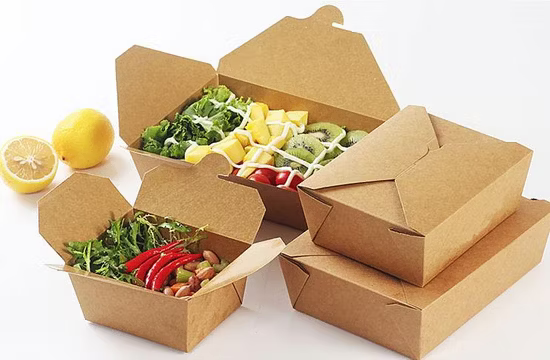
A surprising number of businesses choose suppliers based on unit price alone. Fair enough. Procurement teams are under pressure constantly.
But packaging isn’t a static product. It’s a production system.
Flexible packaging usually involves several stages:
- Material selection
- Barrier construction
- Printing
- Lamination
- Slitting
- Pouch conversion
- Sealing performance testing
If different companies handle each stage separately, consistency becomes harder to maintain. Lead times stretch. Accountability gets blurry when issues appear.
A supplier with integrated manufacturing control tends to spot problems earlier because the production chain stays connected from beginning to end. That matters more than many buyers expect, especially in food packaging where tolerances are tighter, and failures become expensive quickly.
Some businesses only discover this after a major retail rollout goes wrong. By then the cost isn’t just wasted packaging. It’s damaged stock, delayed deliveries, retailer frustration, and lost shelf space.
Print quality is not just cosmetic
A lot of buyers treat printing as decoration. In reality, print quality affects how consumers judge the product itself.
People notice packaging before they notice ingredients. That’s just retail behaviour. A premium coffee blend in poor-quality packaging immediately feels cheaper, even if the product inside is excellent.
Colour consistency matters more than people think
One issue that separates experienced suppliers from weaker operators is colour management.
Inconsistent print runs create problems for:
- Retail display consistency
- Brand recognition
- Franchise operations
- Multi-location distribution
A small colour shift may not sound serious in production meetings. On a supermarket shelf, though, it stands out immediately.
Established packaging companies usually invest heavily in print calibration systems, proofing controls, and testing equipment because large commercial buyers expect consistency across every batch.
Smaller operations often struggle here. Especially when outsourcing print work offshore with limited quality oversight.
Material selection affects product performance
This gets overlooked constantly.
Two pouches may look almost identical externally while performing very differently once filled and distributed.
Barrier properties affect:
- Moisture resistance
- Oxygen protection
- Aroma retention
- UV stability
- Shelf life
Coffee packaging is a good example. If the material structure isn’t suitable, aroma loss starts earlier than expected. For snack foods, oxygen transfer can affect freshness long before expiry dates are reached.
That’s why material recommendations should never be generic.
Different products need different packaging structures
A dry powder product behaves differently from frozen food. Pet food behaves differently from sauces or liquid products.
The packaging needs to account for:
- Storage conditions
- Product weight
- Distribution handling
- Filling temperatures
- Retail display conditions
Some suppliers simply offer standard formats without much consultation. Others take time to understand how the packaging will actually be used in production and transport.
That difference becomes obvious later.
Speed matters, but reliability matters more
Fast turnaround sounds attractive. Every supplier claims it.
The problem is that speed without process control usually creates another problem somewhere else.
Late-stage printing errors, seal failures, damaged laminates, or inconsistent dimensions can slow production lines dramatically. Manufacturing businesses don’t just need packaging delivered quickly. They need it delivered correctly.
Reliable suppliers tend to focus on:
- Production scheduling
- Repeatability
- Batch consistency
- Inventory planning
- Technical support
None of this sounds particularly exciting. Still, it’s often what separates dependable suppliers from companies constantly firefighting operational problems.
Experience in food packaging makes a difference
Food packaging has stricter demands than many other sectors.
The materials must perform under transport pressure, temperature variation, sealing conditions, and shelf storage. Compliance also matters. Especially for businesses supplying supermarkets or exporting products.
This is where specialised suppliers stand apart from general converters.
A company experienced in custom food packaging usually understands:
- Food safety expectations
- Barrier film requirements
- Migration testing
- Seal integrity
- Retail presentation standards
That practical experience tends to reduce mistakes early in development rather than fixing them after launch.
And honestly, prevention is cheaper.
Technology alone doesn’t solve bad processes
Some suppliers promote machinery lists endlessly. Eight-colour printers. Ten-colour printers. Digital systems. Laminators.
The equipment matters, yes. But machinery without process discipline doesn’t guarantee quality.
A strong packaging operation usually combines:
- Skilled operators
- Material expertise
- Process control
- Testing procedures
- Production planning
Without those, expensive equipment becomes little more than marketing material.
Digital printing changed smaller production runs
One genuine shift in the industry has been the rise of digital printing pouches for short-run packaging.
Smaller businesses no longer need massive order quantities just to access custom branding. Product testing and seasonal packaging runs have become more practical because setup costs are lower than traditional gravure methods.
That flexibility helps:
- Start-ups
- Limited edition products
- Trial launches
- Regional campaigns
- E-commerce brands
However, digital printing isn’t automatically better for every application. Large-volume production still often favours traditional methods for cost efficiency and consistency over very long runs.
Sustainability claims need scrutiny
Nearly every supplier now talks about sustainable packaging. Some mean it. Some don’t.
There’s still confusion across the industry around what eco-friendly actually means in commercial packaging.
Compostable materials may not suit all supply chains. Recyclable structures often involve trade-offs in barrier performance or durability. Businesses sometimes assume sustainability is simply about thinner materials, but that can create transport damage and product waste.
Which defeats the purpose rather quickly.
Good suppliers discuss sustainability realistically rather than treating it as a branding slogan.
Structural packaging still plays a major role
Flexible packaging gets most of the attention now, particularly in food and ecommerce sectors. But rigid and paper-based packaging still matter heavily in retail distribution.
Particularly for:
- Outer protection
- Shelf-ready presentation
- Freight handling
- Retail stacking
Strong cardboard packaging for food products remains important for transport durability and secondary branding, especially in wholesale and supermarket environments.
This side of packaging tends to get less public attention because consumers focus on primary packaging first. Warehouses and retailers notice structural failures immediately, though.
The best suppliers usually act like long-term partners
This might be the clearest difference of all.
Average suppliers simply take orders.
Reputable suppliers ask questions early:
- How will the product be filled?
- What temperature conditions matter?
- Will the packs sit in direct retail lighting?
- Are they exported?
- Is resealability important?
- What problems exist with the current packaging?
Those conversations reduce expensive mistakes later.
Experienced packaging companies understand that packaging failures rarely come from one single issue. Usually it’s several small oversights compounding across production, storage, freight, and retail handling. That practical understanding only comes from real manufacturing experience over time.
Conclusion
Choosing packaging based purely on price often works in the short term. Until quality problems start affecting production schedules, retail presentation, or customer perception.
The better suppliers tend to think beyond the pouch or carton itself. They look at how packaging performs across the entire product journey, from filling lines to warehouse storage to retail shelves.
At Fine Pack, we’ve seen businesses outgrow poor packaging decisions faster than they expected. Usually because packaging eventually becomes tied to brand perception, operational efficiency, and repeat purchasing behaviour all at once. It’s rarely just about putting products into bags.
For companies trying to scale properly, having the right packaging partner in place early makes the process far smoother later on.
FAQs
Why is packaging quality important for food products?
Poor packaging can affect freshness, shelf life, sealing performance, and even customer trust in the product itself.
What should businesses look for in packaging companies?
Look for production experience, quality control systems, technical knowledge, and reliable turnaround performance.
Is digital printing suitable for all packaging runs?
Not always. Digital printing works well for short runs and product testing, while large-scale production may suit gravure printing better.
Why do packaging colours sometimes vary between batches?
Inconsistent calibration, outsourced printing, or weak quality control processes can lead to colour variation.
Does sustainable packaging work for every product?
No. Some eco-friendly materials may reduce barrier protection or durability depending on the product and supply chain conditions.
What industries rely heavily on flexible packaging?
Food, coffee, pet food, nutraceutical, e-commerce, and agricultural sectors all use flexible packaging extensively.


You must be logged in to post a comment.