
Food Safety First: What to Look for in a Packaging Manufacturer
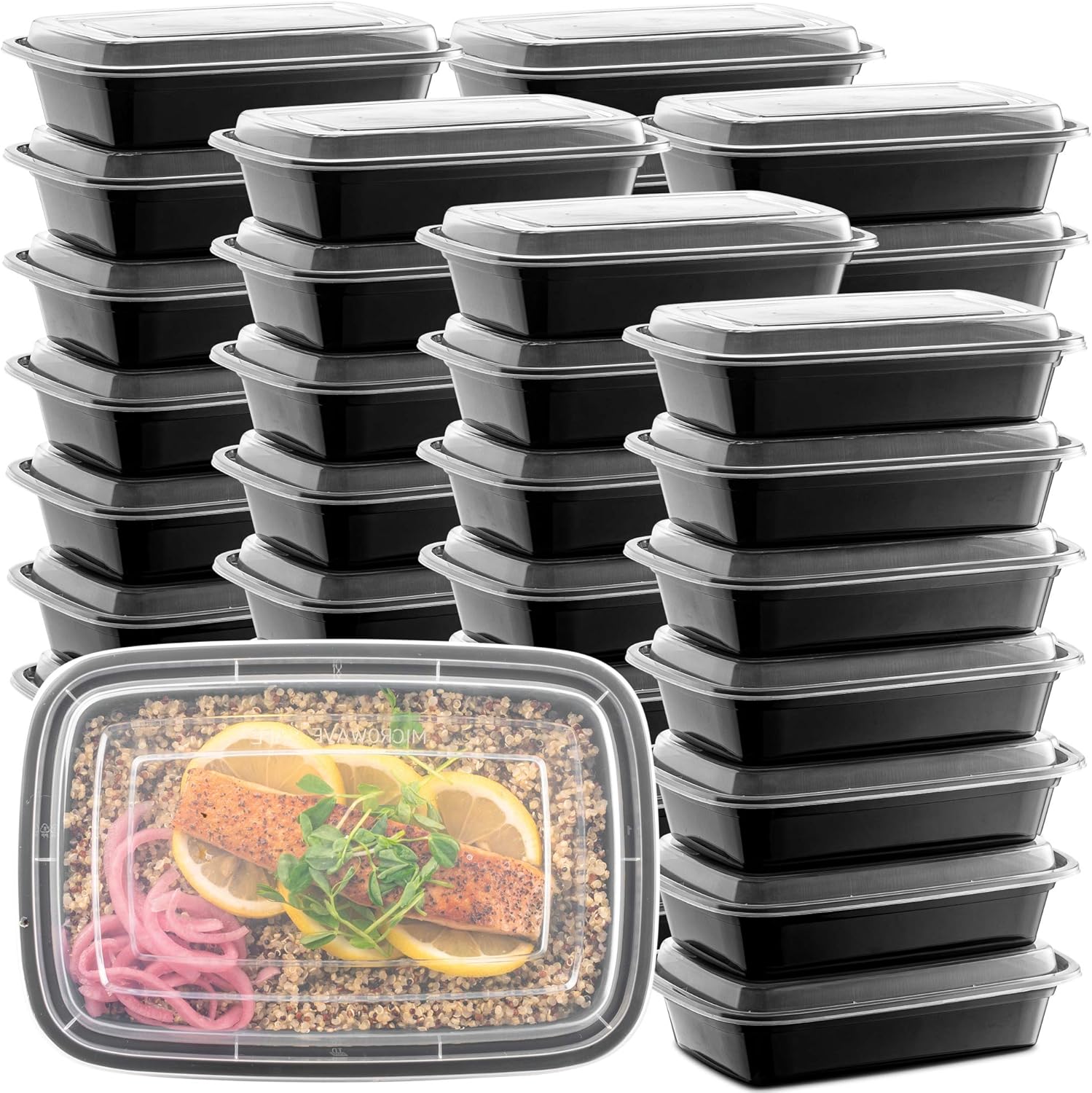
Food safety tends to be discussed at the product level. Ingredients, sourcing, storage. Packaging usually comes later in the conversation. That order feels logical, but it is slightly misleading.
Because even a well-made product can fail if the packaging does not do its job properly.
A weak seal, the wrong material, and poor barrier control. These are not rare issues. And when they show up, they affect shelf life, safety, and sometimes compliance in ways that are not easy to fix once the product is already in circulation.
So when selecting Packaging Manufacturers, the focus cannot stay on cost or turnaround alone. Food safety has to come first. And that requires looking at a few things more closely than most people initially do.
Start with how they approach food safety, not just what they offer
Most manufacturers will say they follow food safety standards. That part is expected.
The real difference is in how they apply those standards in day-to-day operations.
Some treat safety as a checklist. Others build it into how decisions are made across design, materials, and production.
That difference shows up in small ways. Questions they ask. Assumptions they challenge. The level of detail they go into before starting a project.
Look for process thinking, not just product catalogues
If the conversation begins and ends with formats and pricing, something is missing.
Reliable packaging manufacturers usually start with questions like:
- What kind of product are you packaging?
- How long does it need to stay stable?
- What storage conditions will it face?
- Are there any regulatory requirements specific to your market?
These are not sales questions. They are risk assessment questions.
And they matter early, not later.
Material safety is non-negotiable
This is one area where there is no room for compromise. Every material that comes into contact with food must be suitable for that purpose.
That includes films, laminates, adhesives, and inks.
What to check in material selection
It helps to look for:
- Certification of food-grade materials
- Migration testing reports
- Clarity on how materials behave with different food types
Migration testing is particularly important. It checks whether any substances transfer from the packaging into the food under real conditions.
This is not something that can be assumed or skipped. Even small inconsistencies here can create long-term issues.
Experienced packaging manufacturers like Fine Pack will not hesitate to explain their material choices. In fact, they usually expect these questions.
Barrier performance is where safety and shelf life meet
Food packaging does more than hold a product. It controls the environment around it.
Oxygen, moisture, light. Each of these can affect how the product changes over time.
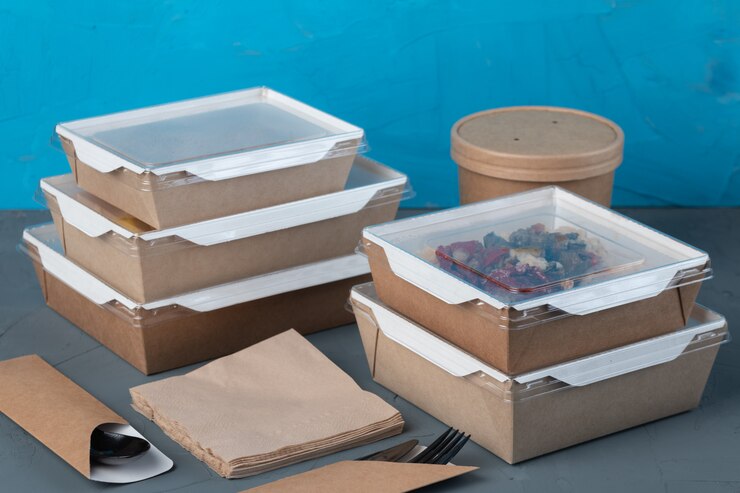
Why barrier properties matter
If oxygen enters a pack that is not designed for it, oxidation can occur. Flavour changes. Texture degrades.
If moisture is not controlled, dry products lose crispness or clump together.
This becomes even more critical with products that rely on vacuum packing bags for food, where maintaining a controlled internal environment is essential.
Barrier performance is not always visible, but it is measurable. And it should be discussed openly during the selection process.
Seal integrity is often underestimated
A good packaging structure can still fail if the seal is not reliable.
Seals are what keep the internal environment stable. Once they weaken, everything else becomes less effective.
What affects seal performance?
A few factors come into play:
- Sealing temperature and pressure
- Compatibility of sealing layers
- Machine calibration during production
Even slight variations can affect seal strength.
This is why testing matters. Not just one-time testing, but consistent checks across production batches.
Established packaging manufacturers tend to invest in equipment and processes that maintain seal consistency. It is not the most visible aspect of packaging, but it is one of the most important.
Hygiene standards on the production floor
Food packaging manufacturing needs to operate in controlled environments.
This is not always obvious when evaluating suppliers, but it should be.
What to look for in production practices?
Basic indicators include:
- Clean and organised production spaces
- Controlled handling of materials
- Staff following hygiene protocols
- Separation between raw and finished materials
These might sound straightforward, but they directly impact contamination risk.
Well-run packaging manufacturers treat hygiene as part of their core operations, not as an afterthought.
Testing is where claims are verified
Many suppliers will claim durability and performance. Testing is where those claims are actually checked.
Key tests that should be in place
Look for:
- Seal strength testing
- Drop and impact testing
- Burst resistance checks
- Barrier performance evaluation
These tests simulate real-world conditions. Transport, storage, handling.
Without them, packaging performance is based on assumptions rather than evidence.
Clarity in compliance and documentation
Compliance is not just about meeting standards. It is about being able to demonstrate that those standards are met.
Documentation you should expect
A reliable packaging manufacturer should be able to provide:
- Material specifications
- Test reports
- Batch traceability records
- Compliance certifications
Traceability is especially important.
If an issue arises, being able to trace a batch back to its source allows for faster resolution. Without it, even small problems can escalate.
Design flexibility without compromising safety
As brands grow, packaging needs change. New formats, new designs, different product variations.
Flexibility matters, but it should not come at the cost of safety.
Customisation with control
When working on custom food packaging, the manufacturer should still follow the same standards:
- Material suitability
- Testing protocols
- Compliance checks
Design changes should not bypass these steps.
This is where experience plays a role. Manufacturers who have worked across different product categories tend to manage this balance better.
Sustainability is part of the decision, but not the only one
There is increasing pressure to move towards sustainable packaging. That shift is necessary, but it needs to be handled carefully.
Balancing sustainability with safety
Sustainable options should:
- Reduce environmental impact
- Maintain product protection
- Meet compliance requirements
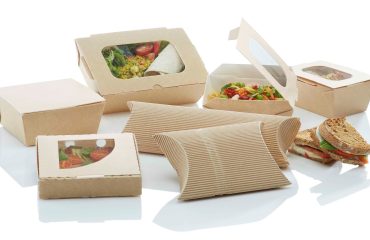
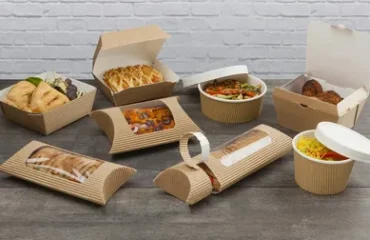
Some brands explore cardboard packaging for food to reduce plastic use. Others look at recyclable flexible materials.
But not every option works for every product.
A packaging solution that is environmentally friendly but fails to protect the product creates a different kind of waste. And that defeats the purpose.
Where things tend to go wrong
It is rarely one major issue.
More often, problems come from small decisions made under pressure:
- Choosing materials based only on cost
- Skipping detailed testing
- Rushing production timelines
- Overlooking minor inconsistencies
Individually, these decisions might seem manageable. Together, they increase risk.
And once products are in the market, fixing those issues is not easy.
Final thoughts
Food safety in packaging is not something that can be added at the end. It has to be built into every stage, from material selection to production.
At Fine Pack, we have seen how early decisions shape outcomes in ways that are not always obvious at first. Some adjustments feel unnecessary in the moment, but they tend to prevent issues later.
When evaluating Packaging Manufacturers, it helps to look beyond the surface. Ask how they think, not just what they offer. That usually tells you more about how your packaging will perform over time.
FAQs
How do packaging manufacturers ensure food safety standards are met?
They use certified food-grade materials, conduct migration and durability testing, and follow strict hygiene and production protocols.
Why is seal integrity important in food packaging?
A weak seal allows air or moisture to enter, which can lead to spoilage or contamination over time, even if the material itself is strong.
What role does testing play in selecting a packaging partner?
Testing validates whether packaging performs under real conditions like transport, storage, and handling, reducing the risk of failure.
Is custom food packaging safe for all types of food products?
It can be, provided the design follows proper material selection, testing, and compliance checks specific to the product.
Can sustainable packaging maintain food safety standards?
Yes, but only when it is designed to balance environmental goals with performance and product protection.
How important is traceability in food packaging manufacturing?
It allows quick identification of issues and limits the impact of defects, which is critical for managing recalls and maintaining compliance.

You must be logged in to post a comment.