
Why Wholesale Packaging Distributors Are Essential for Growing Businesses

Growth sounds exciting when people talk about it from the outside.
More orders. More retailers. Bigger production runs. New locations.
Then operations start stretching in ways most businesses don’t expect. Packaging shortages begin appearing at the worst possible time. Lead times suddenly matter. Storage space becomes a problem. Product launches get delayed because packaging arrives late or is inconsistently printed.
This is usually the point where businesses realise packaging isn’t just a supply purchase anymore. It becomes part of operational infrastructure.
And that’s exactly why experienced wholesale packaging distributors play such an important role once a company starts scaling properly.
Packaging problems tend to appear during growth phases
Smaller businesses can often manage packaging through simple ordering systems early on. Limited stock. Short production runs. Smaller customer bases.
That changes fast when volume increases.
A growing business needs:
- Consistent stock availability
- Faster replenishment cycles
- Better logistics coordination
- Stable print quality
- Reliable lead times
Without those systems in place, packaging quickly becomes a bottleneck rather than a support function.
Oddly enough, packaging issues rarely start with dramatic failures. More often it’s small operational friction building over time. Missed deliveries. Inconsistent dimensions. Delayed artwork approvals. Freight damage during busy periods.
Individually manageable. Collectively exhausting.
Wholesale distribution supports operational stability
Reliable wholesale packaging distributors do more than move cartons from warehouses to customers.
The stronger ones become part of production planning itself.
They help businesses maintain continuity across:
- Manufacturing schedules
- Inventory forecasting
- Product launches
- Retail supply timelines
- Seasonal demand increases
That stability matters far more once businesses move into larger retail environments or multi-location distribution.
Retailers generally expect consistency. They don’t care much about internal supplier problems. If products fail to arrive because packaging stock wasn’t available, shelf space disappears quickly.
Inventory access becomes a competitive advantage
One major advantage wholesale distributors provide is stock accessibility.
Businesses growing too quickly often underestimate how much packaging inventory they actually need. Lead times that once felt manageable suddenly become risky once order volumes increase.
Good distributors usually maintain broader inventory holdings, allowing customers to scale production without constantly waiting for manufacturing cycles to catch up.
This becomes particularly important during:
- Seasonal demand spikes
- Promotional launches
- Retail onboarding
- Product expansion periods
A packaging shortage during a growth phase can stall momentum surprisingly fast.
Cost control improves with wholesale supply structures
Packaging costs don’t just come from unit pricing.
There are hidden operational costs attached to:
- Rush freight
- Production delays
- Overstocking
- Packaging waste
- Emergency reorders
Experienced wholesale packaging distributors often reduce these issues because they operate with larger supply networks and structured inventory systems.
Bulk purchasing also creates better pricing stability over time. Smaller businesses sourcing packaging inconsistently tend to experience more pricing volatility, particularly when material costs shift globally.
This became obvious across food packaging markets during freight disruptions over recent years. Businesses relying on fragmented supply chains struggled far more than companies working with established distributors.
Consistency matters more than people think
A surprising number of consumers judge product quality through packaging consistency alone.
If one retail batch looks slightly different from another, customers notice. Especially in competitive categories like coffee, health foods, snacks, and pet products.
Reliable distributors help maintain consistency across:
- Print colours
- Material quality
- Sizing tolerances
- Seal performance
- Structural durability
That sounds technical. In practice, it’s directly tied to customer perception.
Packaging affects brand trust
Packaging quietly shapes how trustworthy a product feels.
A weak pouch seal or poor-quality print finish doesn’t just look bad. It affects confidence in the product itself.
This is especially important for premium products where buyers expect visual consistency across every purchase.
Businesses ordering custom coffee bags wholesale often focus heavily on branding and shelf presence. That’s because packaging becomes part of the customer experience before the product is even opened.
The same applies to e-commerce brands where packaging effectively replaces physical retail presentation.
Scaling businesses need flexible packaging options
One challenge growing companies face is product diversification.
New flavours. Different sizes. Limited edition releases. Retail-specific packaging. E-commerce variations.
This creates complexity quickly.
Working with experienced wholesale packaging distributors gives businesses access to broader packaging formats without constantly sourcing new suppliers for every packaging variation.
That flexibility can include:
- Flexible pouches
- Cartons
- Labels
- Secondary packaging
- Retail display solutions
Some businesses eventually consolidate multiple packaging categories under one supplier simply to reduce operational chaos.
Honestly, that simplification alone can save huge amounts of time internally.
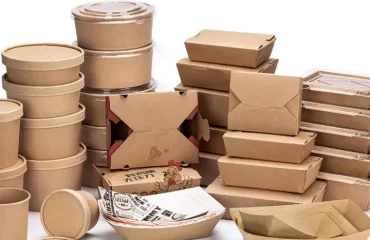
Structural packaging still matters in retail
Flexible packaging dominates many conversations now, but structural packaging still carries significant importance in transport and display environments.
Retail products still need:
- Protection during freight
- Shelf-ready presentation
- Stackability
- Outer branding support
Strong box sleeve packaging remains common for food products, beverage packs, subscription boxes, and promotional retail displays because it improves presentation while adding another layer of product protection.
Consumers may not consciously notice structural packaging done well. Retailers and warehouse teams certainly do when it’s done poorly.
Packaging distributors help businesses adapt faster
Markets shift constantly.
Consumer preferences change. Sustainability demands increase. Retail compliance standards evolve. Material availability fluctuates.
Businesses relying on weak supply networks usually react slowly because sourcing alternatives takes time.
Experienced distributors tend to adapt faster because they’re already connected to:
- Manufacturers
- Material suppliers
- Print facilities
- Logistics networks
That wider visibility helps businesses respond more quickly when packaging requirements change unexpectedly.
Sustainability discussions are becoming unavoidable
Most growing brands now face questions around sustainable packaging in some form.
Customers ask about recyclability. Retailers ask about material reduction. Procurement teams ask about environmental compliance.
The challenge is that sustainable packaging isn’t always straightforward.
Some materials reduce recyclability issues while creating performance limitations elsewhere. Others improve sustainability metrics but increase transport damage risks.
Suppliers experienced in pouch packaging usually understand these trade-offs far better than general wholesalers. That’s because flexible packaging structures involve balancing barrier protection, durability, weight, and recyclability all at once.
There’s no perfect material for every product. That’s part of the reality businesses eventually run into.
Long-term supplier relationships reduce friction
One overlooked advantage of working with established distributors is operational familiarity.
Over time, suppliers learn:
- Production schedules
- Preferred stock levels
- Packaging specifications
- Delivery cycles
- Seasonal fluctuations
That familiarity reduces errors and speeds up decision-making.
Businesses constantly changing packaging suppliers often spend more time re-explaining technical requirements than actually improving operations.
The best distributor relationships start feeling less transactional over time. More integrated. More predictable.
And predictability becomes valuable once growth accelerates.
Conclusion
Packaging rarely gets much attention when businesses are small. Once production scales, though, it becomes deeply tied to logistics, inventory planning, retail consistency, and customer perception.
Experienced wholesale packaging distributors help growing businesses manage that complexity before it turns into operational drag. Not simply by supplying packaging, but by supporting continuity across production and supply chains.
At Fine Pack, we’ve worked with businesses at very different growth stages, from early product launches through to large-scale retail distribution. One thing tends to stay consistent. Companies that invest in reliable packaging systems early usually scale with fewer operational setbacks later on.
FAQs
Why are wholesale packaging distributors important for growing businesses?
They help businesses maintain stable supply chains, reduce delays, and improve operational consistency during growth.
Can distributors help reduce packaging costs?
Yes. Bulk purchasing, inventory planning, and reduced emergency freight costs often improve overall cost efficiency.
What industries rely heavily on wholesale packaging?
Food, coffee, e-commerce, pet food, nutraceutical, and retail sectors all depend heavily on wholesale packaging supply.
How does packaging affect customer perception?
Packaging influences how consumers judge product quality, freshness, and brand reliability before using the product itself.
Is flexible packaging suitable for retail products?
Yes. Flexible packaging works well for food, beverages, supplements, and e-commerce products due to its lightweight and shelf-friendly design.
What should businesses look for in a packaging distributor?
Look for reliability, stock availability, technical expertise, consistent quality control, and responsive customer support.



You must be logged in to post a comment.