
The Biggest Red Flags When Dealing with Packaging Companies
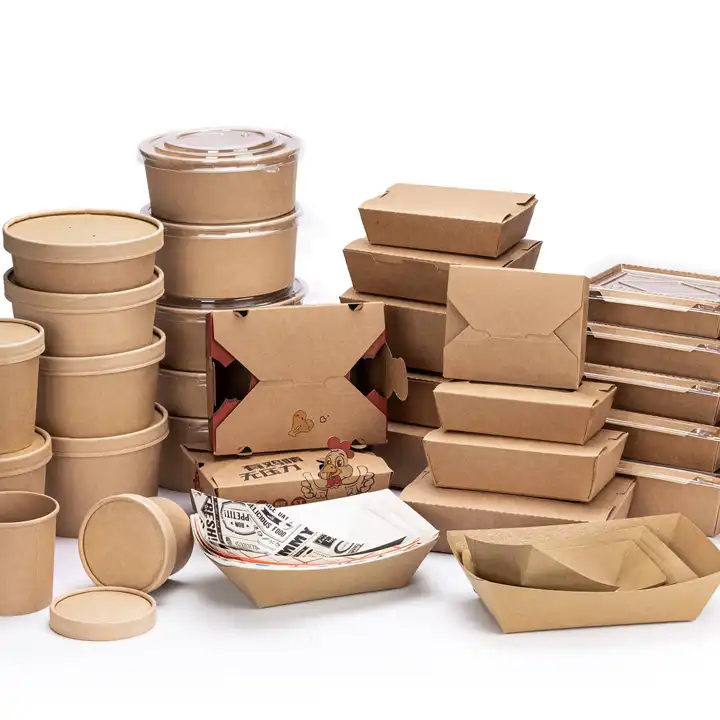
Choosing between different packaging companies is rarely simple. On paper, most of them look similar. Comparable product ranges, similar claims around quality, and pricing can sit in the same range.
But the real difference shows up later, not in the proposal, but in day-to-day working. It becomes clear in how problems are handled and whether the packaging actually performs once it leaves the facility.
And that’s where mistakes get expensive.
This isn’t about obvious failures. It’s about the quieter warning signs that tend to get overlooked early on. The ones that don’t feel urgent until they start affecting production, timelines, or product quality.
When material conversations stay vague
You’ll notice this fairly quickly if you pay attention.
Instead of clear answers, you get general descriptions:
- “It’s a strong laminate”
- “Food-safe material”
- “Good barrier performance”
That sounds fine at first. But it doesn’t tell you anything useful.
A supplier should be able to explain what the material really is, not just what it does in broad terms. What layers it includes, how it behaves under humidity, and whether it will perform properly for your specific product.
If those details are missing, it usually means the supplier is either relying on standard sourcing without much control, or they’re not used to working at a level where those questions matter.
Either way, you’re left guessing. And packaging is not something you want to guess with.
Timelines that sound a little too easy
Fast turnaround is attractive. No one wants delays.
But when timelines feel unusually short without much explanation, it’s worth pausing.
Some packaging companies promise very quick delivery upfront because it helps them win clients. The problem starts once production begins.
Things start to slip:
- Printing gets rushed
- Quality checks get skipped
- Delivery timelines shift quietly
Before you know it, you’re adjusting your own operations because of their delays.
A reliable supplier will clearly explain how timelines actually work, what depends on order volume, what depends on the printing method, and where delays could realistically happen.
If everything sounds effortless, it usually isn’t.
Printing treated like a minor detail
Printing is often underestimated.
From the outside, it looks like just a design element, something visual. But in reality, it affects cost, consistency, and how easily you can scale production.
Different printing methods work differently:
- Digital works well for smaller runs
- Rotogravure suits larger volumes with consistent output
- Flexographic sits somewhere in between
If a supplier doesn’t walk you through these differences or pushes one option without context, you’re not getting the full picture.
This is where problems start later: colour variations, unexpected cost fluctuations, and rework.
It’s not about choosing the best printing method. It’s about choosing the right one for your production volume and future growth.
Compliance treated as a checkbox
Food packaging comes with strict requirements. That part is clear.
What’s less obvious is how casually some suppliers approach it.
You might hear:
- Yes, it’s food-grade
- We’ve supplied to food brands before
But that alone isn’t enough.
Standards set by Food Standards Australia New Zealand (FSANZ) are specific. Materials, inks, adhesives, they all matter. Migration limits aren’t optional.
A reliable supplier should be able to provide proper documentation without you having to push for it. It should already be part of their process.
If compliance feels like an afterthought in the conversation, it probably is in the operation too.
Standard solutions pushed too quickly
Some suppliers default to what they already have:
- Pre-set sizes
- Pre-defined materials
- Limited adjustments.
For simple requirements, that might work. But most products aren’t that straightforward.
If a supplier avoids discussions around structure or design changes, it usually means they’re working within constraints that don’t leave much room for flexibility.
Over time, that becomes a limitation for you.
Because as your product evolves, your packaging will need to adjust. And if your supplier can’t move with you, you’ll eventually need to start over with someone else.
The gap between samples and production
This issue usually doesn’t show up right away.
The initial samples look good, with clean print, solid structure, and everything feeling right.
Then production begins.
And suddenly:
- Colours shift slightly
- Material feels thinner
- Sealing strength varies
Not dramatic enough to seem obvious. Just enough to notice.
That inconsistency points to a deeper issue: Weak quality control.
Good packaging companies keep consistency between sample runs and bulk production. It may not be perfect every single time, but it should be reliable enough that you’re not questioning every batch.
If there’s a noticeable gap early on, it usually gets worse as production scales.
Pricing that keeps changing
Cost discussions can be tricky.
Some changes are normal. Material costs go up and down, and pricing can change based on order volume.
But when prices keep changing without a clear reason, it becomes hard to plan properly.
It often starts with a competitive quote. Then:
- Setup costs appear later
- Printing charges increase
- Material adjustments affect pricing mid-way
You may not be paying more than the market rate, but the lack of clarity creates problems.
A reliable packaging supplier will explain pricing clearly, break down the costs, and tell you what can affect pricing later.
Without that, budgeting becomes guesswork.
Communication that fades after onboarding
In the beginning, communication is usually smooth. Responses are quick, and updates are clear.
But once the project starts moving, communication often slows down.
You may find yourself following up more often, waiting longer for replies, and receiving less detailed updates.
At first, it may not seem like a major issue. But during important stages, it can create real problems.
Things like design approvals, production delays, and issue resolution all depend on clear communication. If updates become unreliable during these stages, timelines get delayed, decisions take longer, and even small problems become harder to fix.
You don’t need constant updates from a packaging supplier, but you do need communication that is clear, consistent, and reliable.
No real conversation about scale
What works for smaller orders does not always work when production grows. Some suppliers are better suited for small batches, while others are equipped to handle large-scale production.
If there is no discussion about how things will change as your order volume increases, it usually means the supplier is focused only on the current order rather than building a long-term partnership.
You should have clear answers to questions like:
- Can they handle increased demand?
- Will lead times stay consistent?
- How does pricing evolve with volume?
Without that clarity, you risk outgrowing the supplier sooner than expected.
Overlooking the practical side of packaging
Packaging doesn’t just sit on a shelf.
It goes through storage, stacking, shipping, and handling before it reaches the customer.
If a supplier focuses only on production and ignores how the packaging behaves in transit or storage, problems show up later.
These issues can include:
- Boxes that don’t stack efficiently
- Pouches that are prone to damage
- Designs that look good but aren’t practical
A well-rounded supplier thinks beyond manufacturing. They consider how the packaging functions in real conditions.
When problem-solving feels one-sided
At some point, something will go wrong.
There may be a delay, a defect, or a printing mistake.
That alone is not the real problem, because these situations can happen in any production process.
What matters is how the supplier responds.
Do they:
- Investigate properly?
- Take responsibility where needed?
- Offer workable solutions?
Or do they:
- Delay responses?
- Shift blame?
- Offer temporary fixes?
This is where the difference between a vendor and a partner becomes clear.
Fragmented services instead of integrated thinking
Packaging isn’t just one component.
It includes structure, print, labelling, and sometimes outer packaging.
When these are handled in isolation, coordination becomes difficult.
For example:
- Custom packaging boxes may not align with pouch dimensions
- Food label printing might not match material compatibility
- Pouch packaging could require adjustments that affect the outer packaging
If the supplier doesn’t connect these pieces, you end up managing the gaps.
And that slows everything down.
A more grounded way to evaluate suppliers
When choosing a packaging supplier, it helps to look beyond the products and focus on how the company actually works.
Pay attention to:
- How clearly they explain technical details
- Whether they acknowledge limitations
- How consistent they are in communication
- Whether they think ahead or just respond
These signals tend to reveal more than brochures or presentations.
Final Thoughts
Most issues with packaging companies don’t come from one major failure. They usually build up slowly over time.
A vague answer, a missed update, or a small quality issue may not seem serious on its own. But together, these problems can affect production, timelines, and the overall efficiency of your operations.
At Fine Pack, we’ve seen how much difference clear communication and proper planning can make. It not only helps avoid problems but also creates a process that feels stable, reliable, and predictable.
Packaging does not need to be complicated, but it does need to be handled carefully, especially when your product depends on it.
FAQs
Why do packaging timelines sometimes fail?
Overcommitment without proper capacity planning. Suppliers may promise faster delivery than their systems can realistically support.
How important is the printing method in packaging?
Very Important. It directly affects cost, consistency, and scalability. Choosing the wrong method can lead to higher long-term costs and quality issues.
What should I check for food packaging compliance?
Look for proper documentation, migration testing details, and adherence to FSANZ standards. Verbal assurances are not enough.
Can sample quality differ from bulk production?
Yes, if quality control processes are weak. Consistency between samples and final production is a key indicator of reliability.
Why does packaging pricing sometimes change mid-process?
Lack of transparency in the cost structure. Hidden charges or unclear material adjustments can lead to unexpected increases.
How do I know if a supplier can scale with my business?
Assess their production capacity, ability to handle larger volumes, and how their processes adapt as demand grows.




You must be logged in to post a comment.