
How to Choose the Right Wholesale Packaging Boxes for Your Product Type

Most packaging problems don’t begin with printing mistakes or damaged freight.
They start much earlier. Usually at the selection stage.
A business chooses a box that looks right, feels sturdy enough during sampling, and fits the product dimensions properly. On the surface, everything seems fine. Then the real-world pressure starts. Warehousing. Retail handling. E-commerce shipping. Temperature shifts. Stacking loads. Suddenly the packaging that looked perfectly acceptable in a meeting room starts failing in ordinary operational conditions.
That’s why choosing wholesale packaging boxes isn’t really about choosing a box. It’s about choosing how the product moves through the entire supply chain.
The reputable packaging companies in Australia tend to approach this practically. They ask operational questions first and design questions second. That order matters more than many businesses realise.
Start with the product itself, not the packaging trend
Businesses often get distracted by what’s popular visually.
Minimalist designs. Matte finishes. Lightweight structures. Premium textures.
Some of these work well. Some don’t suit the product at all.
Before selecting any packaging format, businesses need clarity around:
- Product weight
- Storage conditions
- Shelf life
- Fragility
- Freight movement
- Retail environment
A rigid bakery product behaves differently from frozen meals. Coffee packaging faces different pressures compared to cosmetics or supplements. Even products that look similar on shelves may require completely different board strengths and structural support.
Good packaging companies in Australia usually focus heavily on product handling because weak structural decisions create problems later that branding alone cannot fix.
And honestly, retail packaging gets blamed for a lot of issues that actually started with poor structural planning.
Retail packaging and shipping packaging are not always the same thing
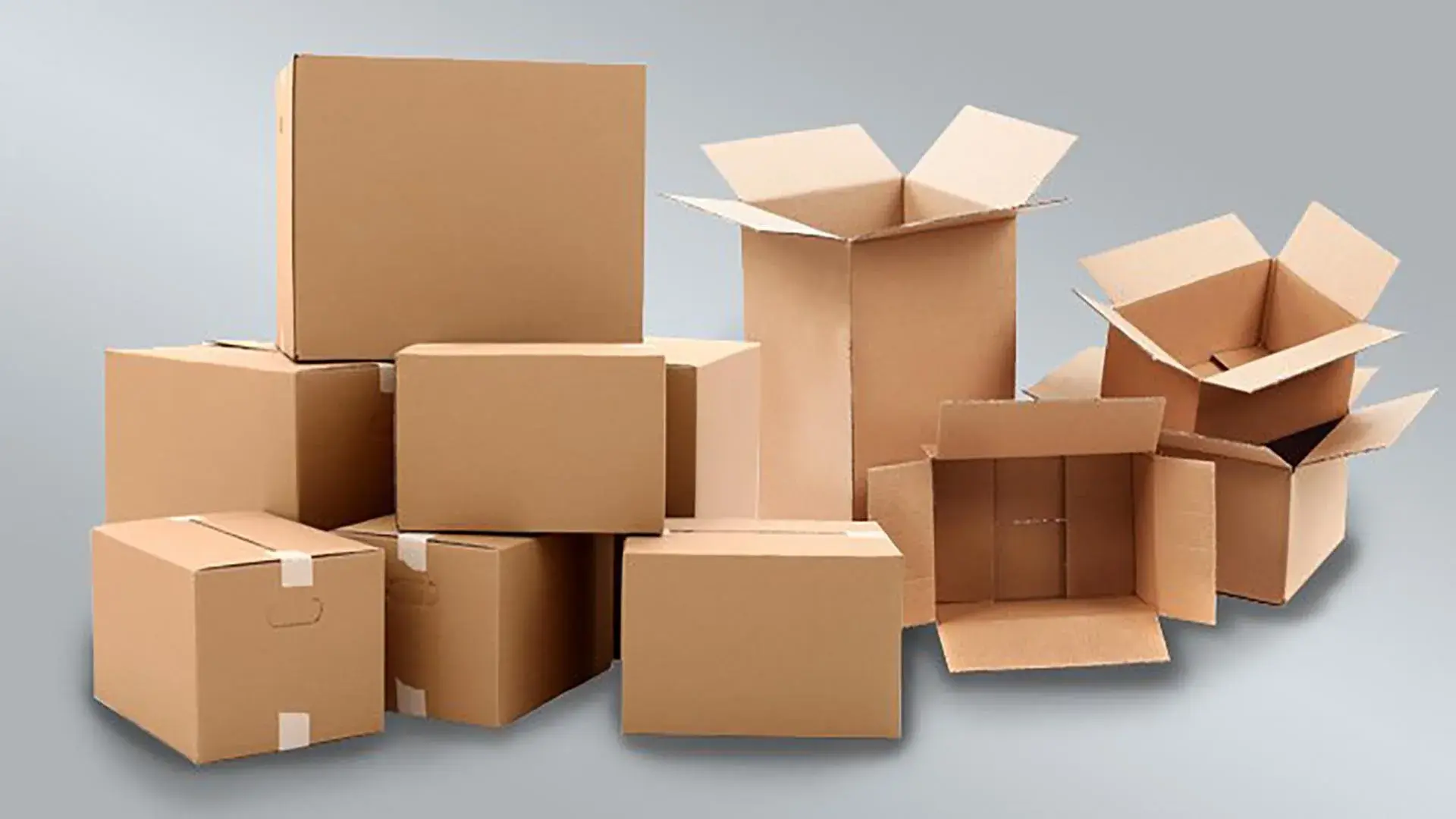
This catches businesses out quite often.
A box that looks excellent on a retail shelf may perform poorly during freight handling. Especially within e-commerce fulfilment where parcels move through conveyor systems, warehouse stacking, and repeated handling points.
Retail packaging generally prioritises:
- Shelf visibility
- Branding
- Presentation
- Product accessibility
Shipping packaging focuses more heavily on:
- Compression strength
- Structural durability
- Product protection
- Freight efficiency
Sometimes one packaging structure can manage both roles. Sometimes businesses need layered packaging systems to avoid product damage or presentation issues.
The operational side usually decides this, not aesthetics.
Product weight changes everything
Lightweight products have far more packaging flexibility.
Heavier products don’t.
As product weight increases, packaging boxes need stronger:
- Board grades
- Structural reinforcement
- Load distribution
- Corner protection
Without those adjustments, boxes begin collapsing under stacking pressure during warehousing or transport.
This becomes especially important for:
- Glass-packaged products
- Bulk food items
- Beverage products
- E-commerce shipments
Experienced packaging companies in Australia typically evaluate how products move physically through storage and transport environments before recommending board specifications.
Because packaging rarely fails while sitting untouched in a showroom. It can fail while moving.
Coffee packaging needs different protection compared to dry retail goods
Coffee products create a slightly unusual packaging situation.
The internal pouch handles freshness protection while the external box often manages retail presentation, shipping protection, or wholesale handling requirements.
Businesses using a custom coffee bag setup often need secondary packaging that protects:
- Valve integrity
- Print finish
- Seal quality
- Shelf presentation
Particularly for e-commerce orders where coffee products move through courier networks rather than direct retail distribution.
Small dents and crushed corners immediately affect perceived product quality in specialty coffee sectors. Customers notice that stuff straight away.
Shelf environment matters more than companies expect
Packaging behaves differently depending on where products are sold.
Supermarkets create different handling pressures compared to boutique retail stores or online fulfilment warehouses.
Retail conditions affect:
- Display durability
- Product visibility
- Shelf stacking
- Restocking efficiency
This is partly why shelf ready packaging has become more common across food and retail industries.
Retailers want packaging that:
- Opens quickly
- Displays products cleanly
- Reduces shelf replenishment time
- Holds structure during display periods
Simple idea on paper. More difficult operationally.
A box still needs enough strength for transport while remaining easy for retail staff to open quickly without damaging presentation.
The balance matters.
Board quality is often overlooked until problems appear
Many businesses focus heavily on printing and overlook board selection almost entirely.
That usually changes after the first damaged shipment.
Board quality affects:
- Compression resistance
- Moisture tolerance
- Structural durability
- Folding performance
- Print finish consistency
Cheaper board structures can appear acceptable initially but weaken quickly under freight pressure or storage humidity.
Well-established packaging companies in Australia generally discuss board specifications in detail because material quality directly affects packaging performance across the supply chain.
Not every packaging issue comes from poor design. Sometimes the board simply isn’t suitable for the environment it’s being used in.
Custom sizing reduces more than wasted space
Oversized packaging creates operational problems.
Products move around during shipping. Freight loads become inefficient. Warehousing takes up unnecessary space. Retail presentation looks inconsistent.
Custom sizing improves:
- Product stability
- Freight efficiency
- Warehouse organisation
- Shelf presentation
Businesses investing in custom packaging boxes usually see operational benefits long before customers notice the visual improvements.
Though sizing decisions need realism too.
Overly tight packaging structures can slow production lines or create filling inconsistencies during high-volume packing operations. The ideal fit usually allows for small tolerances rather than absolute precision.
That’s something less experienced suppliers sometimes miss.
Printing quality still affects customer trust
Structural performance matters first. Print quality still matters a great deal.
Customers often judge products through packaging before they engage with the actual product inside.
Weak print finishes, colour inconsistency, poor folding alignment, or damaged corners create an immediate perception problem.
This is especially true for:
- Premium food brands
- Specialty coffee
- Health products
- Boutique retail goods
Reliable packaging companies in Australia usually focus heavily on print repeatability because consistency becomes far more visible once products appear in larger retail runs.
One inconsistent batch can make an entire shelf look messy.
Sustainability should match operational reality
A lot of businesses now want recyclable or lower-impact packaging solutions.
Fair enough.
The issue is that sustainable packaging still needs to survive actual handling conditions.
Some lightweight or recyclable materials:
- Lose compression strength faster
- Perform poorly in moisture-heavy storage
- Damage more easily during transport
That doesn’t mean sustainable packaging shouldn’t be used. It means packaging decisions need balancing properly against product type and distribution conditions.
Good suppliers discuss those trade-offs honestly rather than treating sustainability as a simple marketing exercise.
Because operational failures create waste too. Sometimes more than businesses initially expect.
Supplier support matters long after approval stages
The supplier relationship becomes more important once production scales.
Early samples are usually straightforward. Ongoing consistency is harder.
Businesses should evaluate:
- Communication speed
- Reordering systems
- Production flexibility
- Inventory support
- Problem resolution
Reliable packaging companies in Australia understand that packaging isn’t static. Products evolve. Retail environments change. Shipping demands increase. Packaging systems often need adjustments over time as operations grow.
The strongest suppliers adapt alongside that growth rather than simply processing repeat orders mechanically.
Conclusion
Choosing the right wholesale packaging boxes requires more than selecting attractive designs or matching product dimensions. Packaging needs to support transport conditions, retail handling, storage environments, production efficiency, and customer perception all at once.
Reliable packaging companies in Australia help businesses make those decisions based on operational reality rather than assumptions or short-term visual appeal.
At Fine Pack, we’ve worked with businesses across food, coffee, retail, and e-commerce sectors where packaging performance becomes increasingly important as production grows. The packaging that works best long term is usually the packaging designed around real operational pressure, not just presentation during product launches.
FAQs
Why does board quality matter in wholesale packaging?
Board quality affects strength, moisture resistance, print finish, and durability during transport and storage.
What is shelf-ready packaging?
Shelf-ready packaging is designed for easy retail display directly from transport cartons with minimal handling.
Can one packaging box work for retail and shipping?
Sometimes, but certain products may require separate retail and shipping protection depending on handling conditions.
Why do heavier products need different packaging structures?
Heavier products place more pressure on box strength, stacking performance, and freight durability.
Are custom packaging boxes better for e-commerce?
Custom-sized boxes can improve product protection, reduce movement during shipping, and improve warehouse efficiency.
What should businesses look for in packaging companies?
Look for technical expertise, consistent production quality, reliable communication, and operational understanding across packaging systems.


You must be logged in to post a comment.