
Sustainable Food Packaging: What Australian Businesses Must Know About Food-Grade Standards
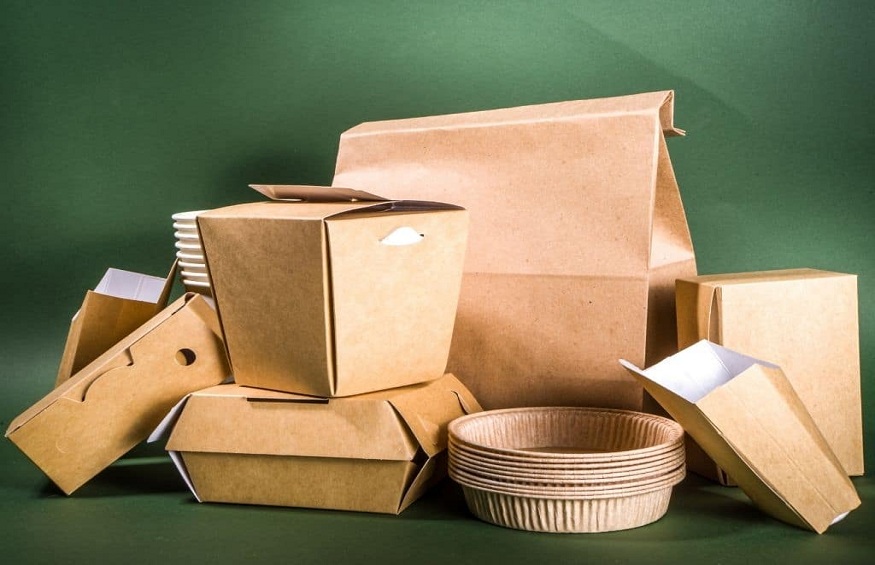
There’s a quiet shift happening across the Australian food industry. Not loud, not dramatic. But steady. Brands are rethinking how their products are packed, stored, and presented. Not just for shelf appeal. For compliance. For safety. And increasingly, for environmental accountability.
This is where Sustainable Food Packaging starts to matter in a more serious way.
Not as a marketing add-on. But as something that directly affects product integrity, regulatory standing, and customer trust.
Let’s get into what actually matters here.
Understanding food-grade packaging in the Australian context
Food-grade packaging sounds straightforward. It isn’t.
In Australia, packaging that comes in contact with food must comply with standards set by Food Standards Australia New Zealand. These standards are not vague guidelines. They are strict about what materials can be used, how they interact with food, and how they perform under different conditions.
At the core, food-grade packaging should:
- Do not transfer harmful substances to food
- Maintain the food’s quality and safety
- Withstand storage, transport, and handling conditions
- Be suitable for its intended use, not just technically but practically
It sounds obvious when written down. But where most businesses get it wrong is in assuming that safe material equals compliant packaging. That gap is where problems begin.
Where sustainability enters the equation
Here’s the complication.
Traditional food-grade packaging has relied heavily on multi-layer plastics and barrier films. They work well. They preserve freshness, extend shelf life, and protect against moisture and oxygen.
But they are not easy to recycle.
So now, businesses are trying to balance two things that don’t always align neatly:
- Food safety
- Environmental responsibility
This is exactly where Sustainable Food Packaging becomes more than a trend. It becomes a design challenge.
You cannot compromise food safety. That part is non-negotiable. At the same time, ignoring sustainability is no longer viable either, especially with increasing pressure from regulators and consumers.
The role of material selection in food-grade compliance
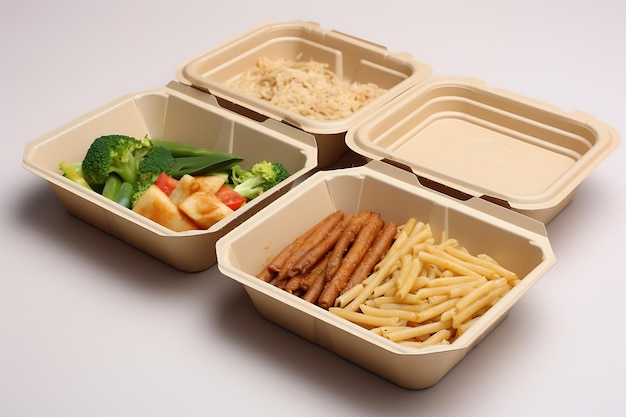
Not all eco materials are food-safe
There’s a common misconception that biodegradable or recyclable materials are automatically suitable for food use.
They are not.
For example:
- Some biodegradable films break down too quickly in humidity
- Certain recycled materials may carry contamination risks
- Paper-based packaging often requires barrier coatings, which can complicate recyclability
This is where careful material engineering comes in.
A food-safe, sustainable solution needs to:
- Maintain barrier properties
- Prevent contamination
- Meet migration limits under FSANZ standards
If even one of these fails, the packaging is not viable. No matter how sustainable it claims to be.
Barrier performance is still the deciding factor
Let’s be clear about this.
Barrier performance is what keeps food stable. It controls:
- Oxygen exposure
- Moisture levels
- Light sensitivity
- Aroma retention
Without proper barrier layers, shelf life drops. And that has a direct commercial impact.
This is why most food manufacturers still rely on multi-layer structures. But now, there is a shift towards:
- Mono-material films
- Recyclable laminates
- Hybrid solutions that reduce plastic use without removing protection entirely
It’s not perfect yet. But it’s improving.
And this is where Sustainable Food Packaging is evolving quietly. Not through big claims. Through incremental material innovation.
Compliance is not just about materials
A lot of businesses stop at material selection. That’s only part of the process.
Food-grade compliance also depends on:
- Manufacturing conditions
- Printing inks and adhesives
- Storage and handling
- Packaging design itself
For instance, printing inks used on packaging must not migrate into food. Adhesives between layers must remain stable. Even sealing techniques matter.
This is why working with experienced packaging manufacturers like Fine Pack makes a difference. It reduces the risk of overlooking these details.
Lab testing and certification are not optional
There’s a tendency, especially among smaller brands, to rely on supplier claims.
That’s risky.
Food-grade packaging should be backed by:
- Migration testing
- Compliance certificates
- Material data sheets
- Batch consistency checks
These are not just formalities. They protect the business from liability.
In regulated markets like Australia, failing compliance can lead to product recalls. And those are not minor setbacks. They affect brand credibility in ways that are difficult to recover from.
Sustainability expectations are rising, slowly but steadily
Consumers are paying attention. Maybe not to the technical details. But to the visible signals:
- Is the packaging recyclable?
- Does it feel excessive?
- Does the brand communicate responsibility clearly?
This is pushing businesses towards Sustainable Food Packaging, even when the transition is not fully straightforward.
At the same time, regulatory frameworks are tightening. The Australian Packaging Covenant Organisation has set targets around recyclability and waste reduction.
So the direction is clear. The pace may vary, but the shift is not reversing.
Practical considerations for Australian food businesses
Start with the product, not the packaging
It sounds counterintuitive, but packaging decisions should begin with the product itself.
Ask:
- What is the shelf life requirement?
- How sensitive is the product to moisture or oxygen?
- What conditions will it face during transport?
Once these are clear, packaging can be designed accordingly. Not the other way around.
Avoid over-specifying sustainability claims
This happens more often than it should.
Labels like 100% eco-friendly or fully sustainable can be misleading, and sometimes non-compliant.
Instead, be specific:
- Recyclable under certain conditions
- Reduced plastic usage
- Compostable in industrial facilities
Precision builds trust. Vague claims do the opposite.
Work towards gradual transitions
Not every business can switch to fully sustainable materials overnight.
And forcing that shift can create operational issues.
A more realistic approach will be to:
- Reduce material thickness where possible
- Move to recyclable structures in stages
- Optimise packaging size to reduce waste
Small improvements add up. And they are easier to implement without disrupting production.
The role of customisation in modern packaging
Generic packaging rarely meets all requirements.
This is where Custom Food Packaging becomes relevant. It allows businesses to tailor:
- Material combinations
- Barrier properties
- Branding and design
- Functional features like resealable zips or spouts
Customisation is not just about aesthetics. It’s about performance.
For example, in categories like specialty beverages, coffee packaging bags require specific valve systems to release gas while maintaining freshness. That level of detail cannot be achieved with standard formats.
Balancing cost with compliance and sustainability
Let’s address the obvious concern. Sustainable and compliant packaging can cost more. At least initially.
But the calculation should not be limited to the unit price.
Consider:
- Reduced risk of recalls
- Longer shelf life
- Stronger brand perception
- Better alignment with future regulations
When looked at this way, the cost becomes easier to justify.
Where the industry is heading
The future of Sustainable Food Packaging is not about replacing plastic entirely. That’s unrealistic in the short term.
It’s about:
- Using less material
- Designing for recyclability
- Improving material recovery systems
- Increasing transparency
There will be trade-offs. Some solutions will work better than others. That’s expected.
But the direction is fairly settled.
Final thoughts
Packaging decisions used to be straightforward. Protect the product, keep costs low, and move on.
That approach no longer holds.
Now, there’s a layered expectation. Safety, compliance, sustainability, and presentation all intersect. And getting one wrong can affect the others.
At Fine Pack, we’ve seen how these decisions play out across different industries. Some transitions are smooth. Others take time. Both are normal.
If there’s one thing worth keeping in mind, it’s this. Good packaging is rarely about one perfect solution. It’s about making informed choices, step by step, and adjusting as requirements evolve.
FAQs
Can all sustainable packaging materials be used for food?
No, not all sustainable materials are suitable for direct food contact. Each material must meet specific food-grade compliance requirements.
What is migration in food packaging?
Migration is the transfer of substances from packaging into food, influenced by factors like heat, time, and food composition. It is strictly regulated.
Are paper-based packaging materials always safe for food?
Not necessarily. Coatings, inks, and additives used in paper packaging must also meet food safety standards.
Why is certification important in sustainable packaging?
Certifications provide verified proof that materials meet both environmental and food safety standards, reducing compliance risks.
Does custom packaging affect food safety compliance?
Yes, design choices like materials, inks, and structure can impact compliance and must be evaluated carefully.
How can businesses ensure their packaging is both sustainable and safe?
By selecting certified materials, verifying supplier documentation, and testing packaging under real usage conditions before scaling.



You must be logged in to post a comment.