
Wholesale Packaging Supplies vs Retail: How Much Can You Really Save
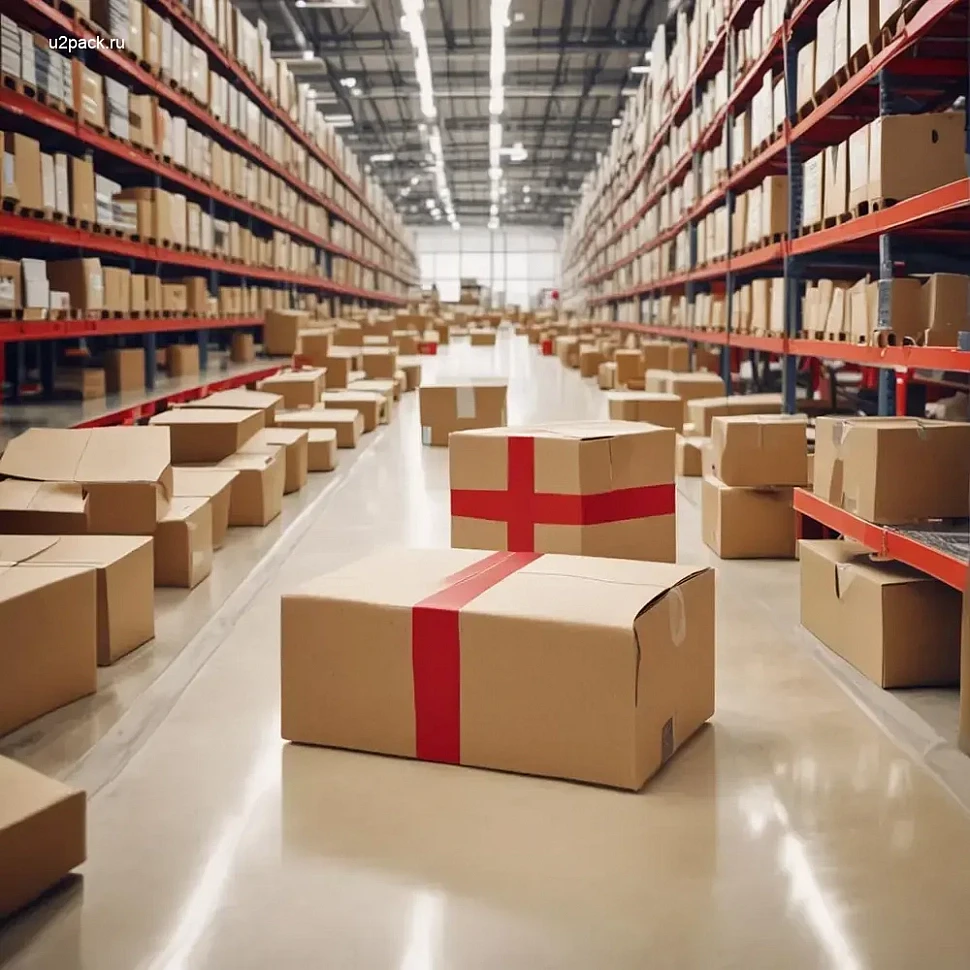
The assumption most businesses start with
At some point, every business that depends on packaging faces the same decision: continue buying smaller quantities at retail prices or switch to wholesale packaging supplies and buy in bulk.
At first, the choice seems simple. Wholesale packaging appears cheaper, while retail packaging costs more. That is the common assumption.
But once you step into actual operations, the difference is not always that straightforward. Wholesale can reduce costs, but the savings do not always work out the way businesses expect. In some cases, they may not appear at all.
That gap is worth understanding before making the switch.
What retail packaging really offers
Retail packaging purchases are mainly built around flexibility.
Businesses can buy smaller quantities as needed without making large upfront commitments. If packaging requirements change, it is easier to adjust quickly without being locked into excess inventory.
Retail packaging usually involves:
- Smaller order quantities
- Higher per-unit cost
- Faster reordering cycles
- Minimal upfront spend
For newer or growing businesses, this flexibility is often more valuable than lower pricing. Product lines may still be changing, packaging designs may evolve, and customer preferences can shift quickly.
In these situations, committing to large wholesale quantities too early can create unnecessary risk. That is why retail packaging is often less about reducing costs and more about maintaining control and flexibility.
What shifts when you move to wholesale
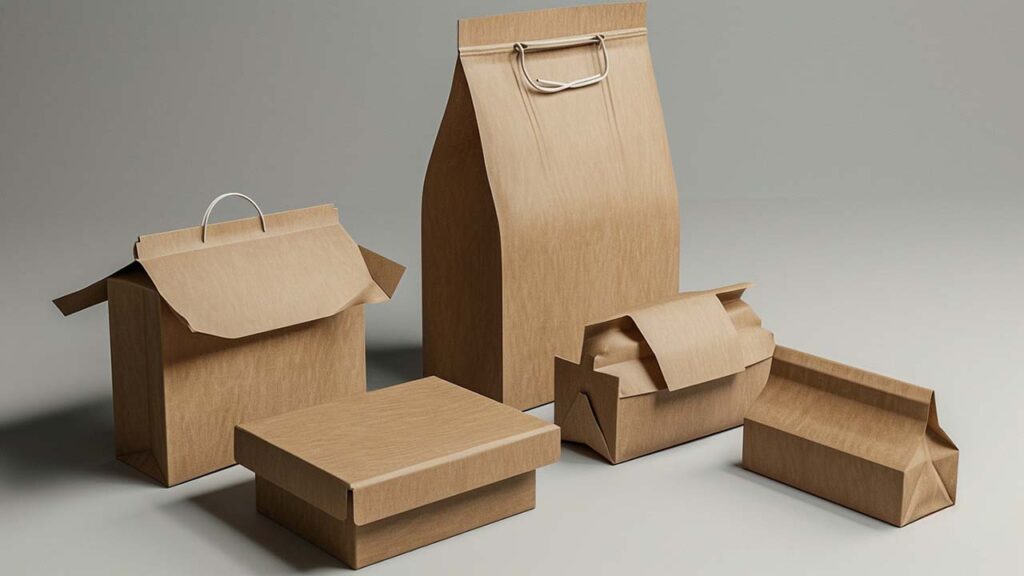
With wholesale packaging supplies, the structure changes almost immediately.
You are no longer buying only when needed. Instead, you start planning ahead.
- Order volumes increase
- Unit pricing drops
- Lead times become slightly longer
- More cash is paid upfront instead of gradually
On paper, the numbers look attractive. And often, they are.
A 25 per cent drop in per-unit cost sounds like a clear win. But that only holds if every unit you buy gets used the way you expect it to.
That is where the real difference starts to show.
Cost per unit is easy; Cost per use is not
Most businesses compare retail and wholesale packaging based on unit price because it is the easiest number to measure.
But in practice, businesses don’t operate on unit cost alone. They operate on usage.
A retail purchase might be more expensive per piece, but it tends to be efficient. You order close to your requirement, use it quickly, and move on.
With wholesale, the math stretches over time.
If even a small portion of your stock:
- Sits unused
- Gets damaged
- Becomes irrelevant due to a packaging change
The real cost starts increasing quietly over time.
So the real comparison is not retail versus wholesale. It is how well each model fits your actual usage pattern.
Where wholesale starts to make real sense
Stable, predictable demand
This is the strongest case for wholesale.
Businesses that operate at steady volumes tend to extract full value from wholesale packaging supplies. Restaurants with fixed menus, high-volume takeaway businesses, and food production units with consistent output.
When demand is predictable, bulk purchasing aligns naturally. There is less uncertainty, fewer urgent reorders, and more consistent cost control.
The savings here are not theoretical. They show up month after month.
Standardisation reduces friction
Frequent changes in packaging create inefficiencies. Not always obvious, but they build up.
If your packaging format remains consistent:
- Ordering becomes easier
- Inventory stays cleaner
- Wastage reduces
This is where wholesale gains strength. Especially with formats like stand-up pouches in Australia, where consistency supports both cost control and operational ease.
Too much variation breaks that advantage.
Inventory discipline matters more than pricing
Wholesale rewards businesses that manage inventory with some precision.
You don’t need complex systems. But you do need visibility.
- What are we using weekly?
- How fast are we moving through stock?
- Are we ordering early or reacting late?
Without these answers, bulk purchasing becomes guesswork. And guesswork usually shows up as excess.
Where retail quietly does a better job
When the business is still evolving
Early-stage businesses often underestimate how quickly things change.
Packaging that works today may not work a few months later. Portion sizes can change, branding may evolve, and customer feedback often leads to adjustments.
Retail packaging handles this uncertainty more easily, while wholesale packaging usually does not.
Paying a higher unit price is sometimes the cost of staying flexible. And in this phase, flexibility tends to matter more.
Demand that moves up and down
Not every business runs on a steady curve.
Seasonal demand, event-driven spikes, unpredictable footfall. These are common in catering, retail food, even some delivery models.
Bulk ordering in such cases creates imbalance.
- Too much stock during slower periods
- Not enough during peaks, leading to urgent purchases
Retail, despite its pricing, handles this variation more gracefully.
Storage is not always neutral
Bulk packaging requires proper storage conditions, not just extra space. Heat, moisture, and stacking conditions can all affect packaging quality over time.
If storage isn’t controlled:
- Materials can weaken
- Shapes can distort
- Hygiene risks increase
These aren’t dramatic failures. They are small degradations that affect usability over time.
Retail avoids this simply by reducing how long items sit in storage.
Customisation changes the equation
Custom packaging is where wholesale often feels more appealing.
Lower unit costs, better branding consistency, more control over presentation.
But it only works best when the product and branding are already stable.
Ordering custom coffee bags wholesale works when your product and branding are settled. Not when they are still evolving.
Frequent design changes lead to leftover stock. And leftover stock cancels out savings faster than most realise.
Similarly, exploring custom packaging in Australia requires clarity on long-term usage. Without that, costs stretch in directions you did not plan for.
Supplier relationships shape outcomes more than expected
There’s a tendency to focus heavily on price comparisons in the beginning, and that is understandable.
But over time, consistency with a supplier tends to matter more.
- Pricing becomes more stable
- Communication improves
- Adjustments are handled faster
Switching frequently to chase marginal savings often leads to inconsistent supply, uneven packaging quality, and operational delays.
In many cases, businesses improve efficiency simply by building a stable supplier relationship. The cost benefits often follow naturally over time.
A more workable approach for most businesses
It doesn’t need to be a strict choice between retail and wholesale.
In practice, many businesses use a mixed approach:
- Core, high-volume items sourced through wholesale packaging supplies
- Variable or experimental items sourced through retail
This balance keeps costs controlled without locking the business into rigid structures.
It may not be perfect, but it usually works better over the long term than relying entirely on one model.
Final thoughts
The idea that wholesale packaging always saves more money is not completely wrong, but it is not always that simple either.
Savings depend on how well the model fits your operations, not just on pricing.
When wholesale packaging supplies align with your demand, storage, and planning, the benefits are clear. When they don’t, the gaps show up in small, recurring inefficiencies.
At Fine Pack, we tend to look at packaging a bit differently. Less as a purchase decision, more as part of how a business runs day to day. That shift changes the conversation.
If you’re weighing retail against wholesale, it’s worth stepping back and looking at how your packaging actually moves through your business. The answer usually sits there.
FAQs
Is wholesale always cheaper than retail packaging?
Not necessarily. Wholesale lowers unit cost, but poor inventory management or fluctuating demand can reduce those savings or even reverse them.
What is the biggest risk when switching to wholesale packaging?
Over-ordering is the most common issue. It ties up cash, increases storage pressure, and leads to unused stock that affects overall cost efficiency.
Can small businesses benefit from wholesale packaging supplies?
They can, but only if their demand is consistent enough to absorb bulk quantities without creating excess inventory or operational strain.
Does custom packaging increase costs significantly?
It can increase upfront investment. But over consistent, long-term usage, it often becomes more cost-effective than repeated small-batch orders.
How do I know if my business is ready for wholesale packaging?
If your usage patterns are predictable, storage is adequate, and reordering cycles are stable, shifting towards wholesale usually makes sense.
Is a hybrid model between retail and wholesale effective?
Yes, combining wholesale for core items and retail for flexible needs helps balance cost savings with adaptability in changing conditions.




You must be logged in to post a comment.