
What Food Packaging Supplies Do You Actually Need? (Avoid Overpaying in 2026)
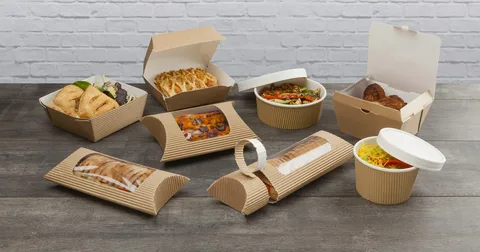
If you speak to most food brands, especially the ones growing quickly, you’ll notice the same pattern again and again. They are either buying too much packaging or using packaging that is not right for their product.
Both mistakes cost money, just in different ways.
Overbuying packaging ties up capital and increases storage costs. Using the wrong packaging can lead to spoilage, product returns, or rework. Sometimes, all three.
The difficult part is that these decisions often seem reasonable at the time. Businesses usually choose what looks standard, what others are using, or what feels like the safest option.
But food packaging supplies are not one-size-fits-all. The right packaging depends on the type of product, how it is transported, and how long it needs to stay fresh and protected.
This is why having clarity early in the process can help avoid expensive problems later.
Start with the product, not the packaging format
It may sound obvious, but this step is often overlooked.
Many decisions around food packaging supplies start with the packaging format first, such as pouches, boxes, or jars. Most businesses focus on how the packaging looks before thinking about how it needs to perform.
That approach is not completely wrong, but it is incomplete.
The better starting point is the product itself.
- Is it dry, liquid, or semi-solid?
- Does it react to air or moisture?
- Does it need to release gas over time?
- How long should it remain shelf-stable?
These are not just technical questions. They directly affect the type of packaging your product actually needs.
Why format-first thinking leads to overpaying
When packaging is chosen before understanding product behaviour, two things tend to happen.
Either the structure is overbuilt, meaning you are paying for layers and features you do not need. Or it is underbuilt, which leads to performance issues later.
Neither option is good for long-term costs or product performance.
Experienced suppliers usually push the conversation back to the product. Not to make the process more complicated, but because the most important packaging decisions depend on how the product behaves.
Not every layer adds value
Flexible packaging can become complicated very quickly.
Multiple layers, different materials, various finishes. It is easy to assume that more layers mean better protection. That is not always true.
Understanding what each layer actually does
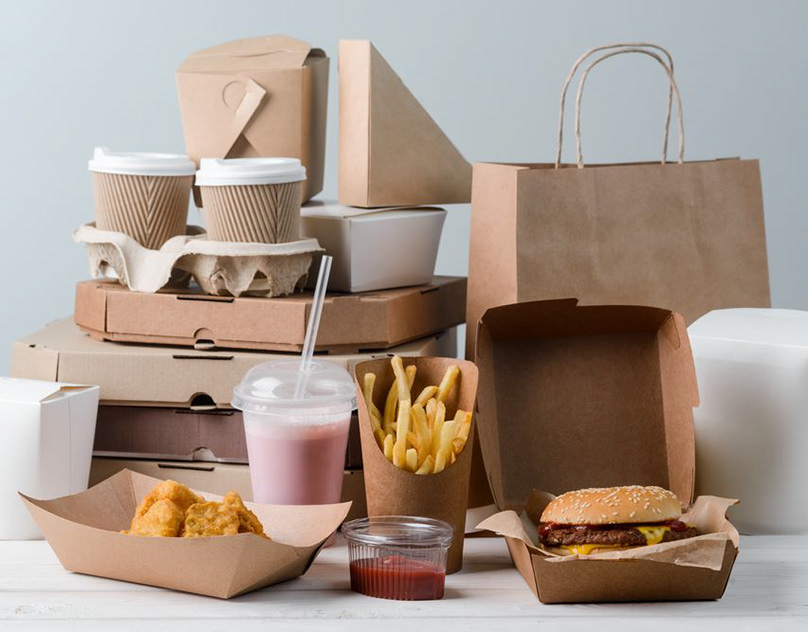
A typical structure might include:
- An outer layer for durability and printing
- A barrier layer for oxygen or moisture control
- A sealing layer for closure
Each has a function. But adding extra layers without a clear reason increases cost without improving performance.
This is one of the most common ways brands overspend on food packaging supplies.
You end up paying for protection you do not need. Or for specifications that do not apply to your product category.
Matching packaging to shelf life expectations
Shelf life is where packaging decisions become very practical.
A product that needs to stay fresh for three months does not require the same packaging protection as a product that needs to last 12 months.
Aligning packaging with actual usage
Before choosing packaging, it helps to clearly define:
- Expected shelf life
- Storage conditions
- Distribution range
For example, a locally-distributed product with fast turnover may not require high-barrier materials. On the other hand, products shipped across regions or stored longer will.
Getting this wrong usually leads to either overspending or product degradation.
Bulk buying is not always cost-efficient
There is a common assumption that ordering packaging in larger quantities will always reduce costs.
While that can be true, it only works if the packaging is used efficiently.
Where bulk purchasing goes wrong
Over-ordering can lead to:
- Excess inventory sitting unused
- Packaging becoming outdated after design changes
- Storage costs that were not initially considered
For growing brands, flexibility often matters more than volume discounts.
A balanced approach to food packaging supplies goes beyond just the cost per unit. It also considers how quickly the packaging will be used and whether the order size matches actual demand.
Choosing the right format for your product
Packaging format should follow function, not trends.
Some packaging formats are widely used because they work well for certain products. Others become popular mainly because they look attractive on store shelves.
Common formats and when they make sense
- Flexible pouches for dry and lightweight products
- Rigid containers for liquids or fragile contents
- Hybrid solutions depending on branding and logistics
There is also a growing demand for formats like stand-up pouches in Australia, especially for snack and health food segments. They offer shelf presence and convenience, but they still need to be structured correctly.
Similarly, pouch packaging is widely used across categories, but the internal layers and sealing approach need to match the product.
And in some cases, external elements like box sleeve packaging are added for branding without changing the primary packaging structure.
The key is not the format itself. It is whether the format aligns with how the product behaves and how it is sold.
Customisation should be controlled, not excessive
Custom packaging is important because it helps products stand out and supports brand identity.
But too much customisation can also make packaging more complicated and expensive than necessary.
Where customisation adds value
- When it improves functionality
- When it enhances clarity for the consumer
- When it supports branding without affecting performance
Where it becomes unnecessary
- Overly complex shapes that increase production cost
- Finishes that do not impact usability
- Design changes that require frequent reordering
Well-managed food packaging supplies strike a balance between customisation and practicality.
Do not overlook testing and validation
Packaging that looks right is not always packaging that performs well.
Testing is what confirms whether the packaging actually works under real conditions.
Basic tests that should not be skipped
- Seal strength testing
- Drop and handling simulation
- Barrier performance checks
Skipping these steps might save time initially, but it often leads to higher costs later.
Returns, complaints, and product loss are far more expensive than proper validation.
Sustainability without unnecessary cost
Sustainability is now part of most packaging decisions. But it is often approached in a way that increases cost without clear benefit.
Practical approach to sustainable packaging
Look for:
- Material reduction without compromising strength
- Recyclable structures where possible
- Efficient use of resources
Switching to sustainable options should not mean overengineering the packaging.
The goal is to reduce impact without increasing complexity or cost unnecessarily.
Where food brands usually overspend
It is rarely one large decision.
More often, it is a series of smaller ones:
- Choosing higher specifications than required
- Ordering more than needed
- Adding features without functional value
- Skipping optimisation discussions with suppliers
Individually, these decisions may not seem significant. But over time, the extra costs start adding up.
And once packaging is locked in, changing it is not always straightforward.
Final thoughts
Choosing the right food packaging supplies is not about finding the best-looking option or the lowest price. It is about alignment.
Alignment between product behaviour, shelf life, distribution, and cost.
At Fine Pack, we have seen how small packaging adjustments early in the process can help businesses avoid unnecessary costs later. Sometimes it is a simple material change. Other times, it is choosing more practical order quantities. The impact tends to be practical, not theoretical.
If there is one thing worth keeping in mind, it is this. Packaging should match how your product actually moves and sells, not how it looks in isolation. That tends to bring both performance and cost under control.
FAQs
How can I avoid overspending on food packaging supplies?
Focus on matching packaging specifications to your product needs rather than choosing higher-grade materials by default or over-ordering in bulk.
Is bulk buying always cheaper for packaging?
Not always. Larger orders reduce unit cost but can increase waste, storage costs, and risk of unused inventory if demand changes.
Which packaging format is best for food products?
It depends on the product type, shelf life, and distribution. Flexible pouches suit dry goods, while liquids often require more rigid or reinforced structures.
Are stand-up pouches in Australia suitable for all food products?
They work well for many dry and semi-solid products. But their barrier properties and sealing must match the product’s specific requirements.
How important is testing in packaging selection?
Testing ensures the packaging performs under real conditions, reducing the risk of leaks, spoilage, and product damage.
Can sustainable packaging reduce costs as well?
In some cases, yes. Material reduction and efficient design can lower costs, but only if performance and protection are not compromised.


You must be logged in to post a comment.