
Wholesale Packaging Distributors for Food Packaging: Boxes, Pouches & Supplies
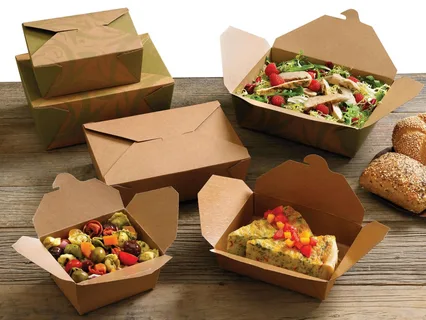
Food packaging looks simple from the outside.
A pouch holds the product. A box protects it. Labels carry branding. Done.
In reality, food packaging sits right in the middle of production, logistics, shelf life, compliance, and customer perception. When packaging works properly, nobody notices. When it fails, the consequences spread fast across manufacturing, freight, retail, and customer trust.
That’s one reason experienced wholesale packaging distributors matter so much in food supply chains.
For growing food businesses especially, packaging eventually becomes operational infrastructure rather than a basic purchase order.
Food packaging has to solve several problems at once
A package doesn’t just need to look good on a shelf.
It also needs to:
- Protect freshness
- Handle transport conditions
- Maintain seal integrity
- Support filling line efficiency
- Survive warehousing
- Meet food safety standards
And sometimes all of those requirements compete against each other.
A material with strong barrier protection may cost more. Lightweight structures reduce freight costs but can affect durability. Retail-ready packaging may increase production complexity.
This is where knowledgeable wholesale packaging distributors become useful beyond simply supplying stock. The well-established ones help businesses balance performance, practicality, and commercial reality.
Flexible packaging continues to dominate food sectors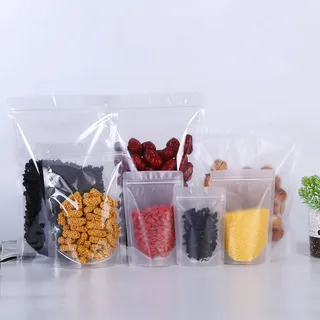
Flexible packaging has grown heavily across food categories over the past decade.
Part of that comes down to efficiency.
Compared to rigid containers, flexible packaging generally offers:
- Lower freight weight
- Reduced storage space
- Better shelf presentation
- Easier transport handling
- Lower material usage
For many food businesses, those operational advantages matter just as much as aesthetics.
Stand-up pouches remain one of the most versatile formats
Very few packaging formats work across as many categories as pouches do.
Snacks, coffee, frozen foods, protein powders, dried fruit, pet treats, spices. The list keeps going.
Businesses sourcing stand-up pouches in Australia often prioritise:
- Shelf visibility
- Resealability
- Barrier protection
- Freight efficiency
Consumers have also become comfortable with pouch packaging because it’s now common across both supermarkets and ecommerce channels.
However, not every pouch structure performs equally well. Material selection still matters heavily depending on the product inside.
Barrier performance matters more than appearance
Food packaging failures usually start quietly.
Products lose freshness earlier than expected. Moisture enters the pack. Seals weaken during transport. Oxygen exposure changes flavour profiles over time.
None of these issues is visible during the initial production run.
That’s why experienced wholesale packaging distributors tend to focus heavily on material performance, not just print appearance or pricing.
Barrier structures affect:
- Shelf life
- Aroma retention
- Product texture
- Moisture resistance
- Oxygen protection
For food businesses, weak packaging performance can damage product quality long before customers even realise the packaging was responsible.
Boxes still play a major role in food packaging systems
Flexible packaging gets most of the attention because consumers interact with it directly. Secondary packaging remains critical behind the scenes.
Food products still need protection during:
- Freight handling
- Warehousing
- Retail stocking
- Pallet transport
This is where structural packaging becomes important.
Strong custom packaging boxes help businesses improve:
- Retail presentation
- Product protection
- Shipping durability
- Brand consistency
Particularly in e-commerce, secondary packaging now influences customer perception far more than it once did. Damaged outer packaging immediately affects how premium a product feels when it arrives.
That matters even before consumers open the actual food product itself.
Retort packaging changed convenience food markets
Ready-to-eat food categories have expanded quickly over recent years. Packaging technology played a major role in that growth.
Retort packaging allows food products to undergo heat sterilisation while remaining shelf-stable for extended periods.
Businesses using retort pouches often operate in:
- Ready meals
- Sauces
- Soups
- Wet pet food
- Travel foods
- Convenience retail
The packaging structures required for retort applications are more demanding because they must withstand high-temperature processing without compromising seal integrity or barrier performance.
Not every packaging supplier handles these specifications properly. Technical experience matters here.
Quite a bit, actually.
Reliable supply chains become essential during growth
Packaging challenges often appear once food businesses start scaling production.
Early-stage companies may manage with smaller, irregular ordering patterns. Larger production volumes require much tighter coordination.
Growing businesses need:
- Stable inventory access
- Consistent production quality
- Predictable lead times
- Reliable freight coordination
Without those systems in place, packaging shortages start disrupting manufacturing schedules quickly.
Experienced wholesale packaging distributors usually support broader inventory planning. They understand how damaging supply interruptions can become during retail expansion or seasonal demand periods.
A delayed packaging shipment can stop entire production runs. The knock-on costs become much larger than the packaging order itself.
Sustainability pressure is reshaping food packaging decisions
Food businesses now face increasing pressure around sustainable packaging choices.
Customers ask about recyclability. Retailers ask about material reduction. Procurement teams ask about environmental compliance.
The challenge is that sustainable packaging often involves trade-offs.
Some recyclable structures reduce barrier performance. Compostable materials may struggle under certain storage or freight conditions. Lightweight materials reduce waste but can affect durability.
This creates difficult balancing decisions for food manufacturers.
Good packaging distributors tend to discuss these realities honestly rather than presenting sustainability as a simple switch businesses can make overnight.
There still isn’t a perfect packaging solution that solves every operational and environmental challenge simultaneously.
Packaging consistency affects customer trust
Consumers notice packaging inconsistencies more than many businesses expect.
Different print colours. Weak seals. Damaged corners. Wrinkled pouches.
Small inconsistencies can make products feel lower quality, even when the food inside remains unchanged.
Reliable wholesale packaging distributors help reduce these issues by maintaining stronger quality control systems across:
- Printing
- Material sourcing
- Conversion
- Production tolerances
That consistency becomes particularly important once businesses move into larger retail environments where products are displayed in higher volumes.
One inconsistent batch suddenly becomes very visible on supermarket shelves.
The strongest distributors understand operations, not just packaging
Average suppliers process orders.
Experienced wholesale packaging distributors ask operational questions:
- How will the product be transported?
- What shelf life is required?
- Will products sit in direct retail lighting?
- Are they exported?
- Is moisture exposure a risk?
- How fast will production scale?
Those conversations help prevent expensive packaging problems later.
And honestly, most serious packaging failures don’t come from one catastrophic mistake. Usually it’s several smaller oversights building up across production, storage, freight, and retail handling.
Conclusion
Food packaging affects far more than product presentation. It shapes shelf life, freight performance, production efficiency, retail perception, and customer confidence all at once.
Reliable wholesale packaging distributors help food businesses manage those moving parts before operational pressure starts exposing weak systems.
At Fine Pack, we’ve worked with food manufacturers across different production stages and product categories. One thing becomes fairly clear over time. Businesses that invest early in stable packaging systems usually scale with fewer disruptions later, especially once retail distribution and higher production volumes start accelerating.
FAQs
Why is barrier protection important in food packaging?
Barrier materials help protect food from oxygen, moisture, contamination, and freshness loss during storage and transport.
Are stand-up pouches suitable for food products?
Yes. Stand-up pouches work well for snacks, coffee, powders, dried foods, and many retail food applications.
What are retort pouches used for?
Retort pouches are used for heat-processed shelf-stable foods like ready meals, sauces, soups, and pet food.
Why does packaging consistency matter in retail?
Inconsistent packaging can undermine customer trust and make products appear lower quality on retail shelves.
Can sustainable food packaging affect product shelf life?
Yes. Some sustainable materials may reduce barrier performance depending on the product and storage conditions.
What should food businesses look for in a packaging distributor?
Look for technical expertise, reliable inventory systems, food packaging experience, and consistent production quality.



You must be logged in to post a comment.